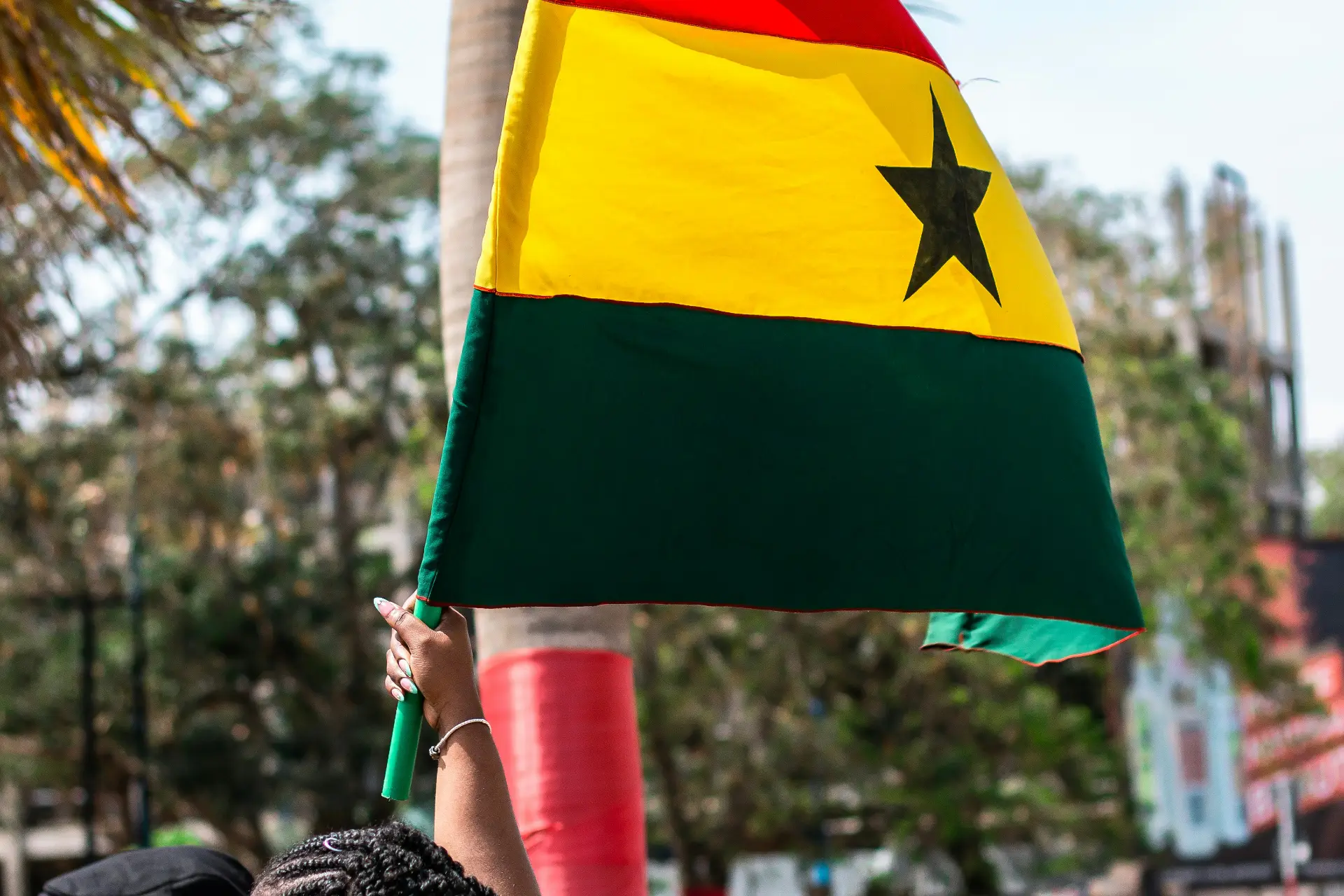
Each year on 4 April, Senegal marks its National Day. The official 2026 celebrations were held in Thiès, and the Senegalese presidency describes the day as the 66th anniversary of the country’s accession to international sovereignty. The presidency also notes an important historical nuance: Senegal celebrates 4 April 1960 as its National Day, while stating that Senegal became a republic in 1958 and gained independence as a separate state on 20 August 1960. That layered timeline is worth remembering, because it reflects a country shaped by more than one political moment.
That complexity is part of what makes Senegal such a rewarding place to visit. Independence Day is not only a ceremonial date. It opens a broader conversation about how Senegal understands itself: through history, public memory, sovereignty, culture and continuity. For travellers, that makes Senegal more than an attractive destination on the Atlantic coast. It makes it a country that rewards context, patience and time.
Why Independence Day matters in Senegal
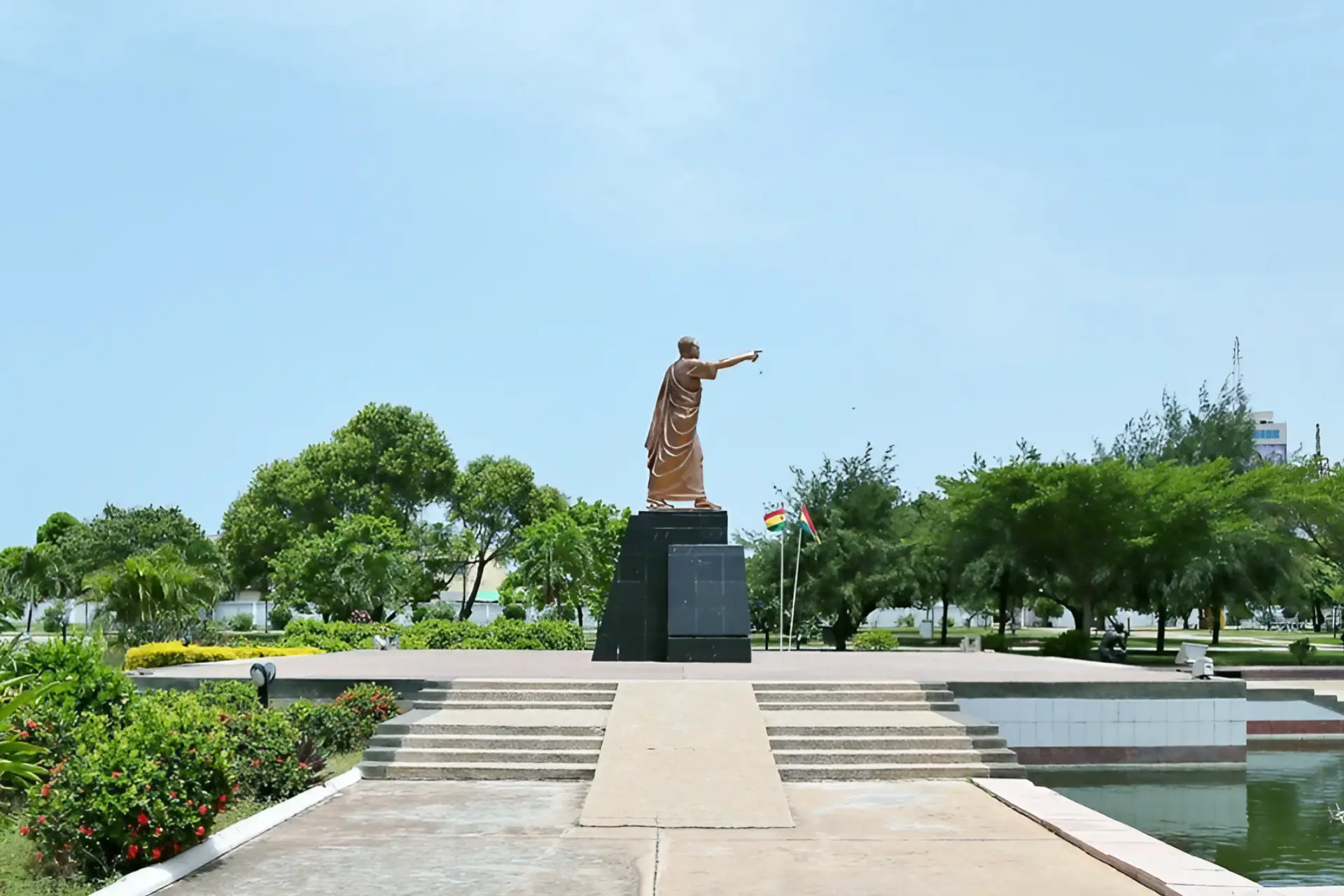
National days can sometimes flatten a country into a single anniversary, but Senegal’s does the opposite. It draws attention to the country’s place in the wider decolonisation story of West Africa and to the short-lived Mali Federation that shaped its route to sovereignty. That broader historical background helps explain why Independence Day feels significant beyond the parade itself. It speaks to questions of nationhood, political imagination and the relationship between past and present.
For visitors, that matters because it shifts Senegal out of the category of simple “coast and sunshine” travel. Independence Day is a useful lens through which to understand the country’s deeper identity: one rooted in heritage, public culture, memory and landscape. Senegal is easy to enjoy quickly, but it becomes much more interesting when approached with that fuller frame in mind.
A country shaped by culture as much as history
Senegal stands out partly because its cultural identity feels both distinctive and legible to visitors. UNESCO lists seven World Heritage sites in the country, including the Island of Gorée, the Island of Saint-Louis, the Saloum Delta, Djoudj National Bird Sanctuary, Niokolo-Koba National Park, the Stone Circles of Senegambia, and Bassari Country: Bassari, Fula and Bedik Cultural Landscapes. That concentration of heritage sites points to a country whose identity is closely tied to memory, ecology and long cultural continuity.
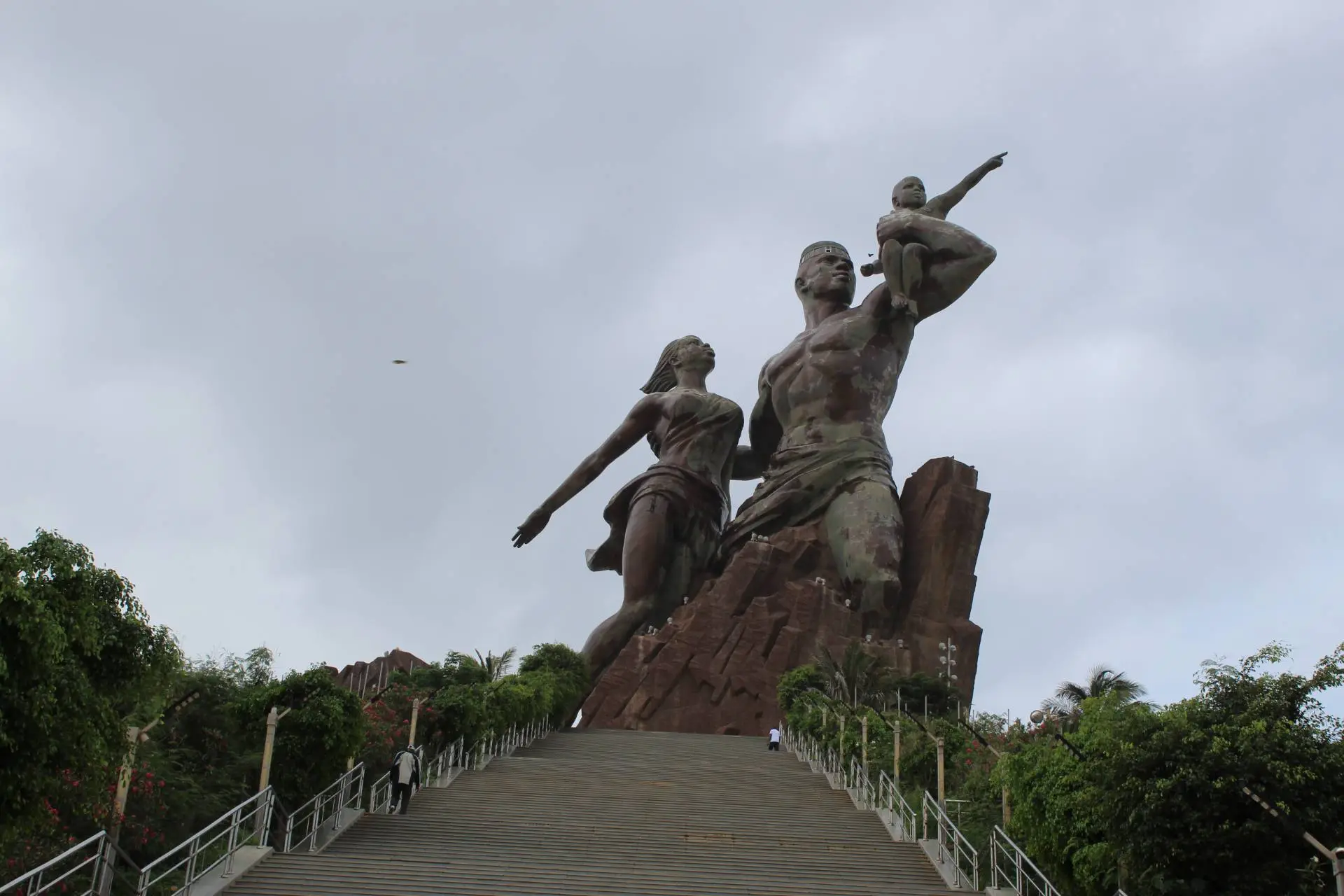
Some of those places carry obvious historical weight. UNESCO describes Gorée Island as a major site of memory linked to the Atlantic slave trade, noting that from the 15th to the 19th century it was the largest slave-trading centre on the African coast. UNESCO also describes Saint-Louis as a former capital of West Africa and an outstanding example of a colonial city that influenced education, culture, architecture and services across a large part of the region. These are not places that reward speed. They ask for time, reflection and context.
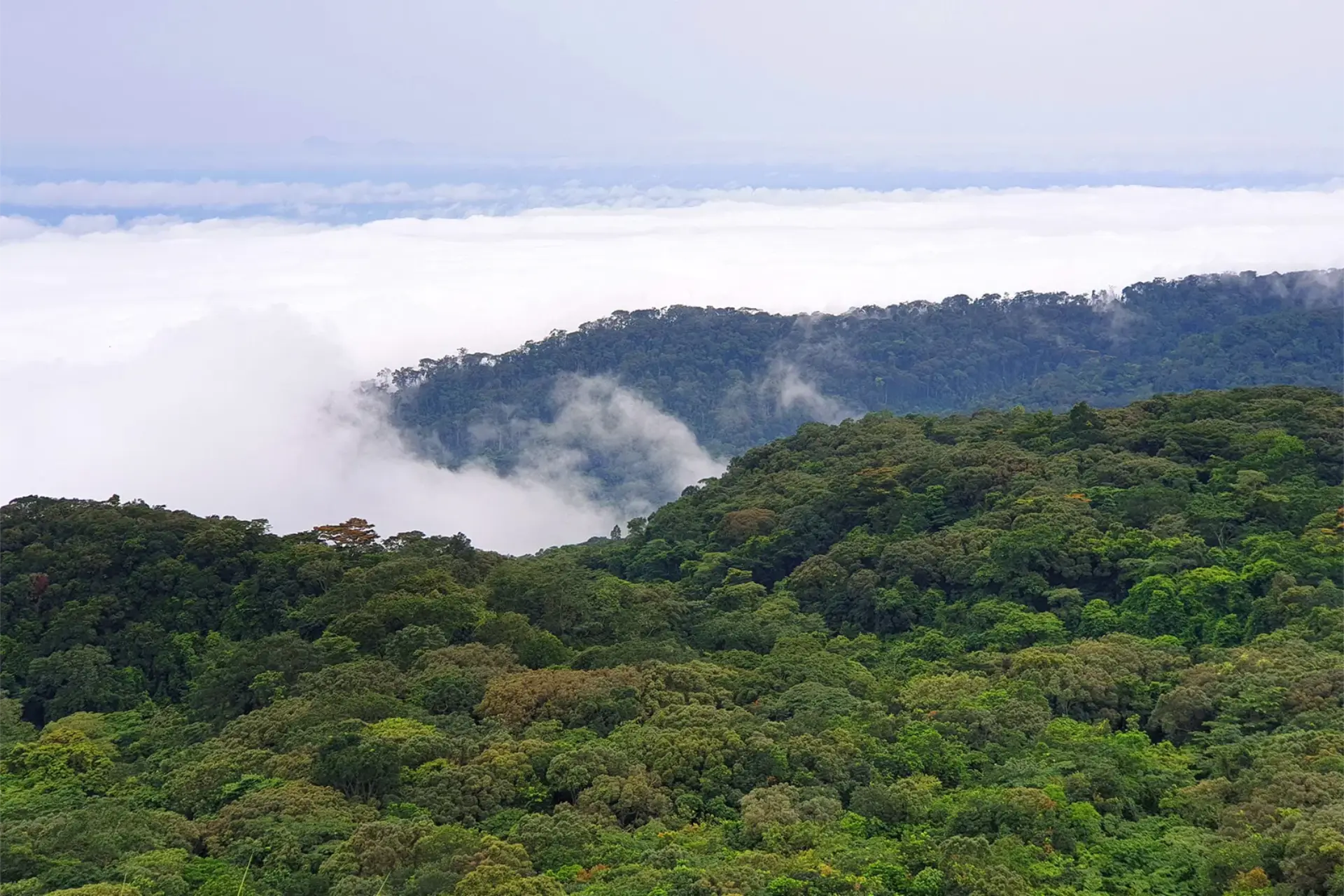
Other sites reveal a different side of the country. UNESCO says the Saloum Delta includes brackish channels, mangroves, dry forest and over 200 islands and islets, showing how human life and ecology have long been intertwined there. In a different register, UNESCO’s intangible heritage work in Senegal reflects the country’s commitment to culture as something lived and transmitted by communities, not simply preserved in monuments.
Check out our 10 Day Senegal Culture and Heritage Tour
Why Senegal rewards slow travel
This is where the travel angle becomes especially important. Senegal is not a place that reveals itself best through a rushed itinerary. It rewards travellers who stay longer, move more slowly and allow one place to deepen the meaning of the next.
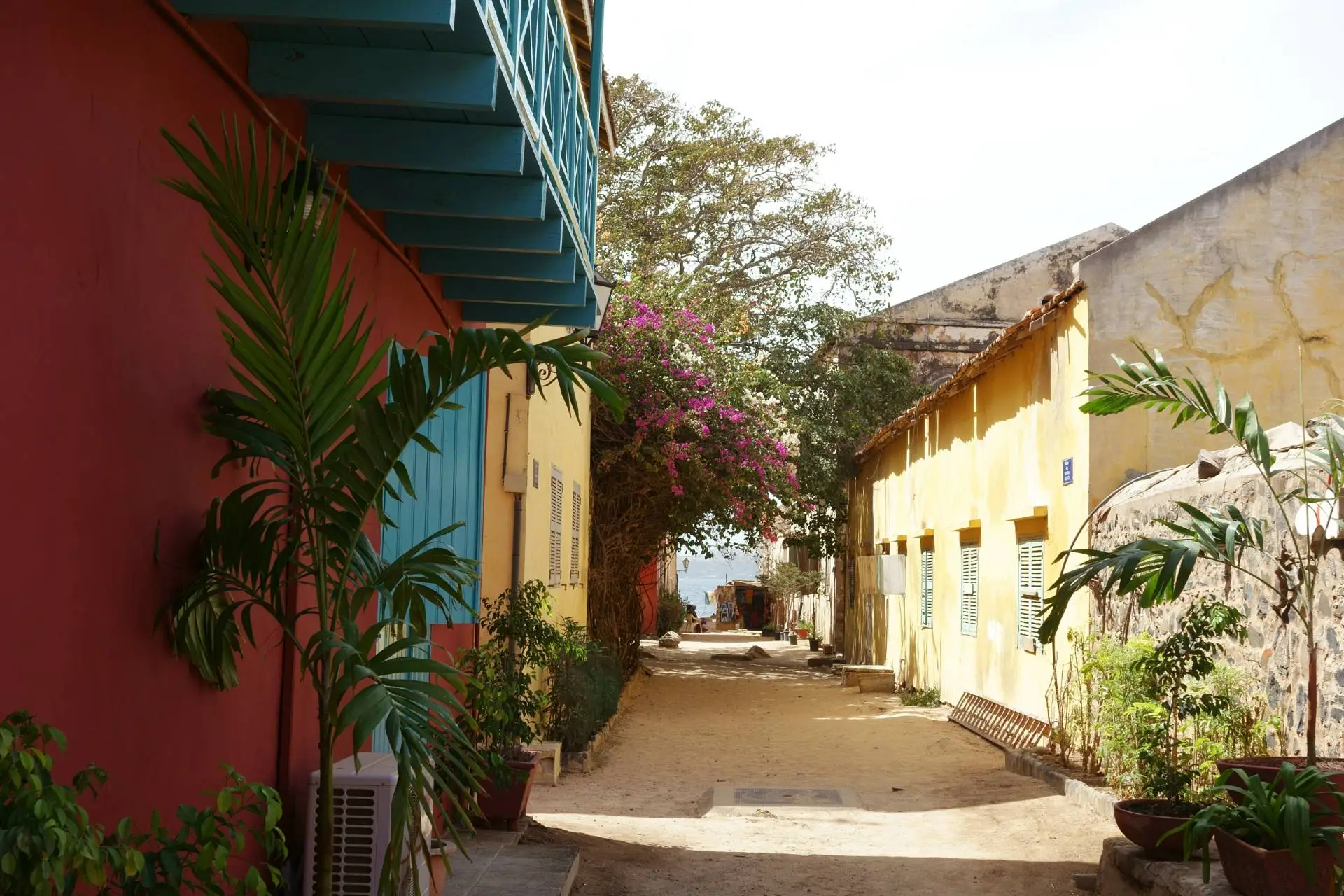
That is true in practical terms. Saint-Louis is best appreciated on foot, through its architecture, quays, bridges and long urban memory. Gorée is not a place to hurry through; its emotional force depends on allowing space for reflection. The Saloum Delta makes more sense by water than by checklist. Even Dakar, often treated as a gateway city, becomes far more interesting when given time rather than used as a stopover. The country’s appeal lies in accumulation rather than instant spectacle.
Slow travel also suits Senegal because the country offers range. You can move from Dakar’s urban rhythm to Gorée’s memorial depth, from Saint-Louis’s historic streets to Djoudj National Bird Sanctuary, which UNESCO says hosts more than 1.5 million birds of 365 species. Further inland, Niokolo-Koba National Park covers a large Sudano-Guinean ecosystem, and UNESCO announced in July 2024 that the park had been removed from the List of World Heritage in Danger after improvements in its state of conservation. That variety is one of Senegal’s greatest strengths, but it only really comes into focus when a journey is given enough time.
Culture, identity and everyday life
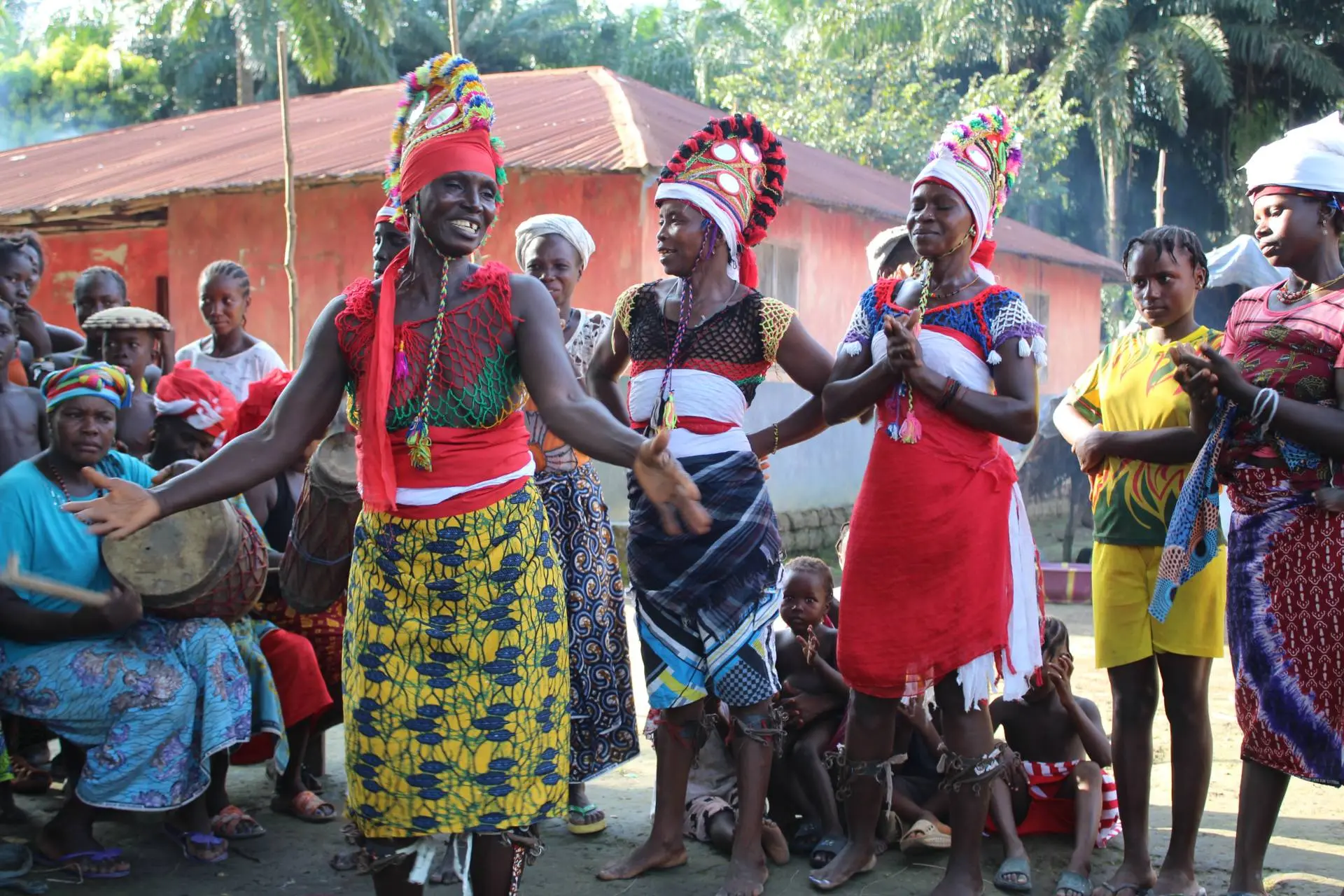
A slower approach matters for another reason: Senegal’s identity is not confined to monuments. It is carried in food, conversation, music, religious life, public sociability and neighbourhood rhythms. UNESCO’s intangible heritage work in Senegal reflects that broader understanding of culture as something active and lived. That is one reason the country tends to leave such a strong impression on visitors. Its cultural life often feels inhabited rather than staged.
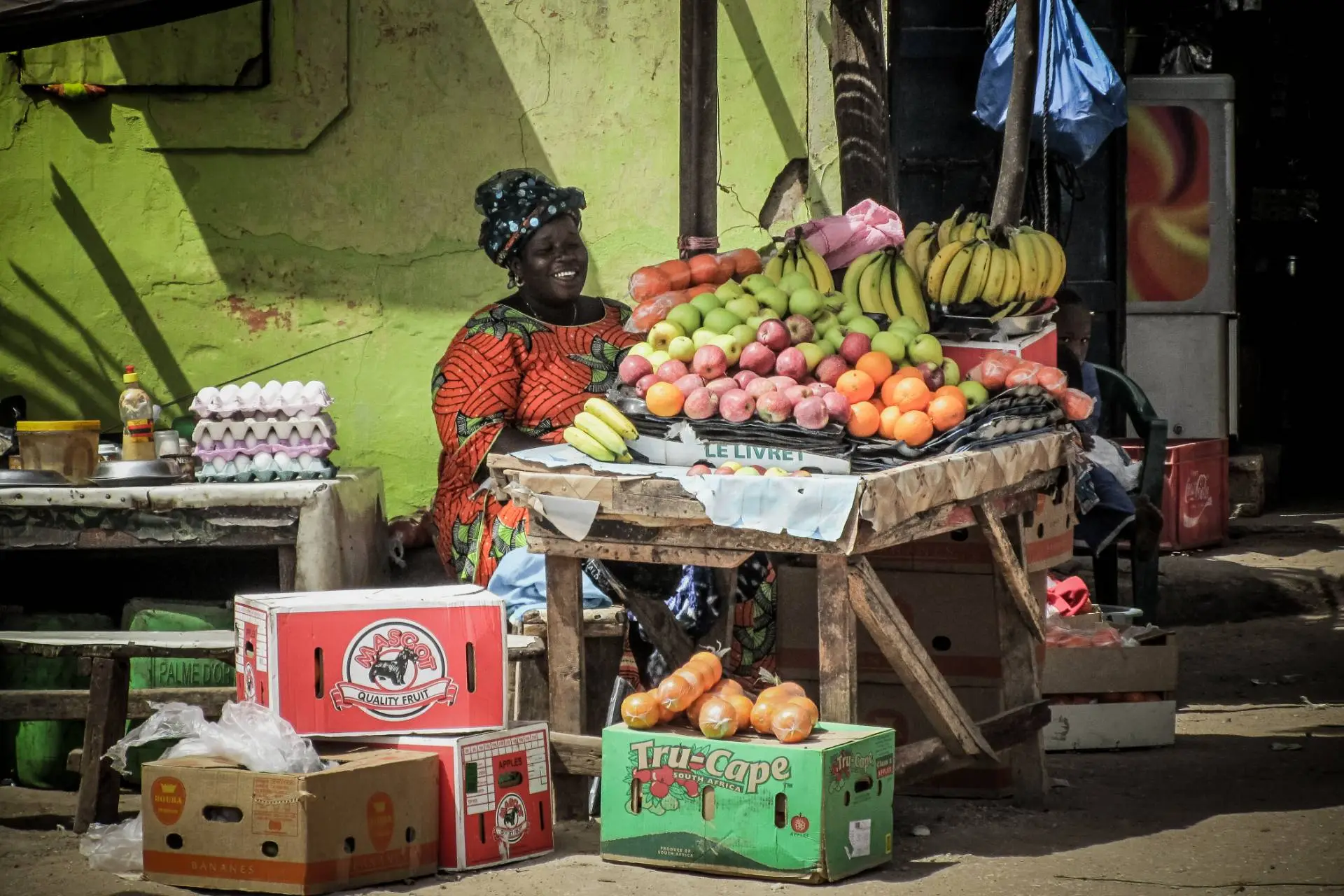
That is especially resonant around Independence Day, when national identity is made visible in public ceremony. But the deeper appeal of Senegal lies in the fact that the same sense of identity continues well beyond the official celebrations. The ceremony provides a focal point, but the meaning of the country is found in the places people gather, the landscapes they move through and the memories they continue to carry.
Why this matters for travellers
For travellers, all of this adds up to something quite valuable. Senegal is enjoyable on first contact, but it becomes far more rewarding when treated as a place to understand rather than simply sample. Independence Day offers a useful entry point because it brings together the themes that define the country so well: sovereignty, memory, landscape, continuity and culture.
That is why Senegal rewards slow travel. It has enough history to invite reflection, enough cultural richness to reveal new layers over time, and enough geographic variety to keep a journey textured rather than repetitive. For travellers planning ahead, Senegal offers the kind of depth and variety that rewards thoughtful, well-paced travel.
Find out more about on our Senegal tours