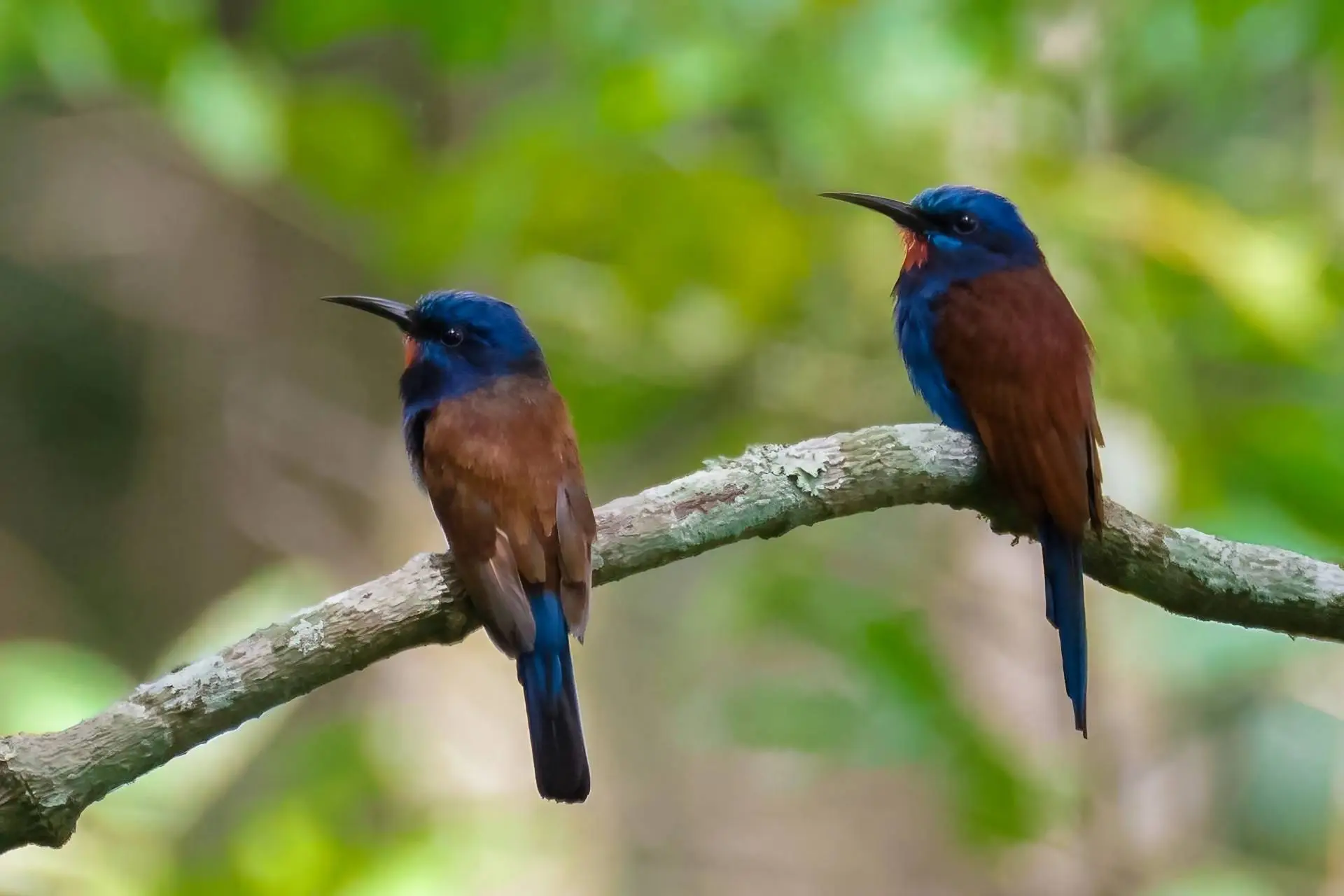
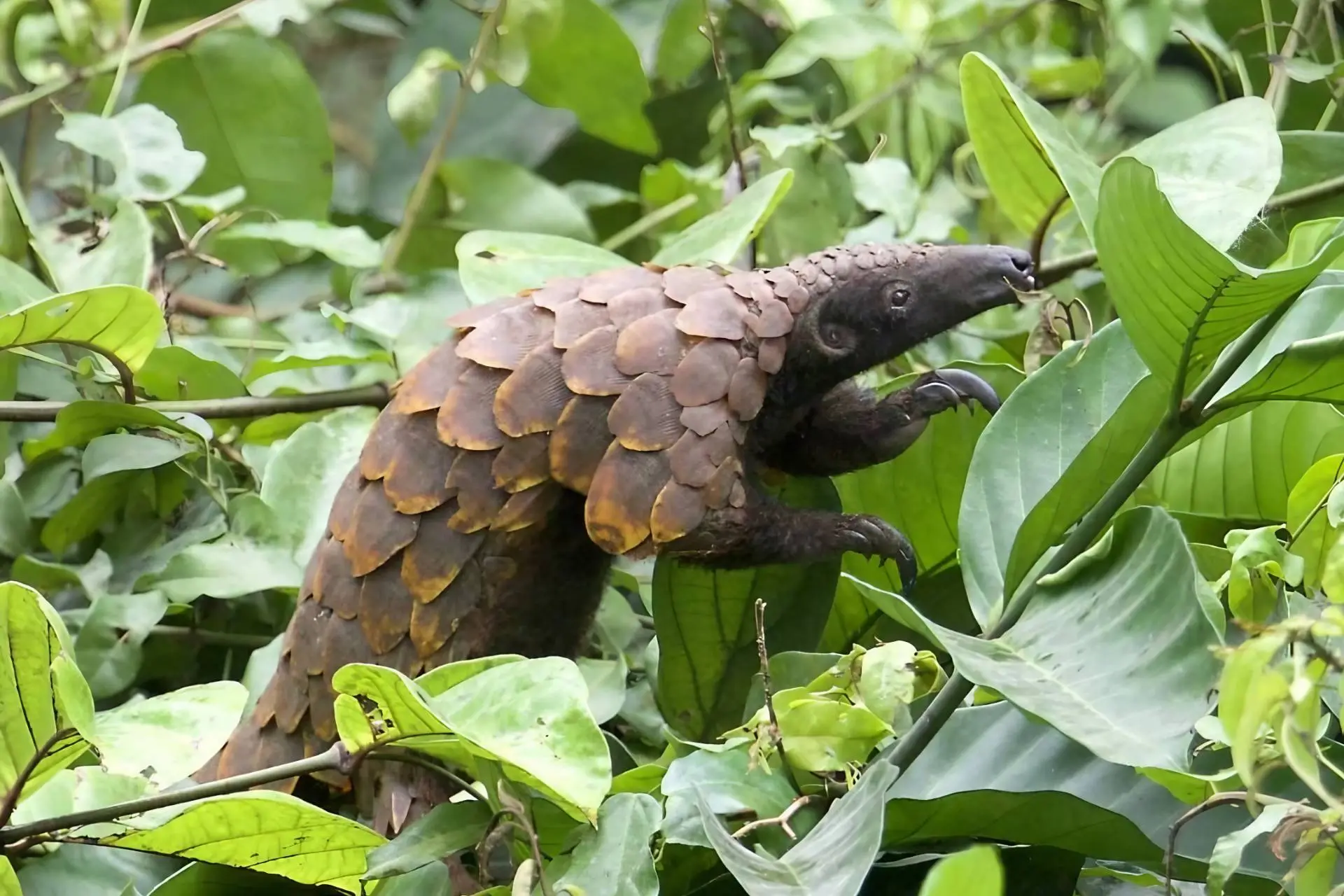
When people think about rainforest travel in Africa, attention often turns first to Central Africa. Yet West Africa holds one of the continent’s most important and most overlooked forest systems: the Guinean Forests of West Africa. This biodiversity hotspot spans 11 countries and supports around 9,000 plant species, including 1,800 endemics, along with 416 mammal species, 917 bird species, 107 reptile species and 269 amphibian species. These are not marginal forests. They are globally important ecosystems.
Why West Africa’s rainforests matter globally
What makes these forests so important is not just their size, but their concentration of biodiversity and endemism. The Guinean Forests hotspot is recognised internationally because it combines exceptional biological richness with exceptional habitat loss. More than 85% of its native vegetation has already been lost, which means the forest that remains carries outsized conservation value.
The Upper Guinean forest belt, which runs through countries including Guinea, Sierra Leone, Liberia, Côte d’Ivoire, Ghana and Togo, has become increasingly fragmented over time. USGS reports that by 2013 these countries retained only about 70,000 square kilometres of dense forest cover, and only about 32,000 square kilometres of that lay inside protected areas such as national parks, reserves and wildlife sanctuaries.
That matters because rainforests are not just wildlife habitats. They help regulate water systems, protect soils, support climate resilience and provide food, fuel, medicines and other non-timber forest products. FAO reports that West Africa has over 72 million hectares of forests and woodlands, and that forests contribute directly or indirectly to the livelihoods of 53% of the rural population in the region.
Why they matter to travellers
For travellers, rainforests are never just a scenic backdrop. They are living systems that help explain the relationship between landscape, people and biodiversity. A well-guided rainforest journey in West Africa is not only about wildlife sightings, although those can be memorable. It is also about hearing the forest, understanding how local communities relate to it, and seeing how conservation, culture and daily life intersect on the ground.
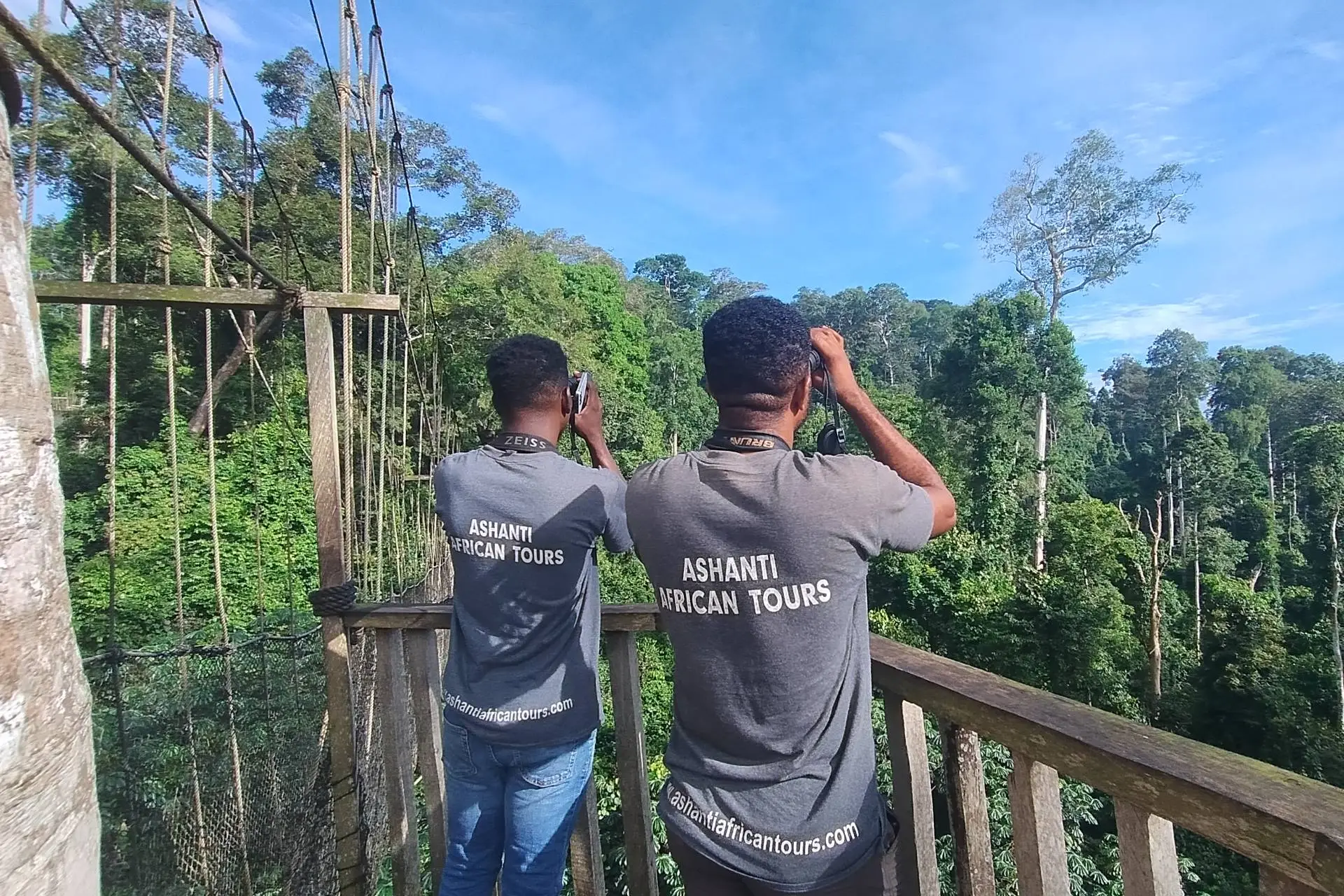
This is one reason rainforest travel in West Africa can feel so rewarding. It offers a side of the region that is often overshadowed by better-known stories about forts, coastlines, heritage and cities. Those stories remain essential, but the rainforest adds another dimension: one shaped by endemic species, rare habitats, migratory birds, river systems and fragile ecosystems still under pressure.
Important rainforest landscapes in West Africa
Ankasa, Ghana
In Ghana, the Ankasa Conservation Area offers one of the clearest examples of why West Africa’s rainforests matter. Covering 509 square kilometres, this protected forest is one of the country’s richest remaining rainforest ecosystems, supporting species such as forest elephant, bongo, leopard, nine primate species and nearly 200 bird species. For travellers, Ankasa shows that rainforest experiences in West Africa are not only scenic, but also deeply valuable for birding, biodiversity and a fuller understanding of the region’s natural heritage.
Gola-Tiwai, Sierra Leone
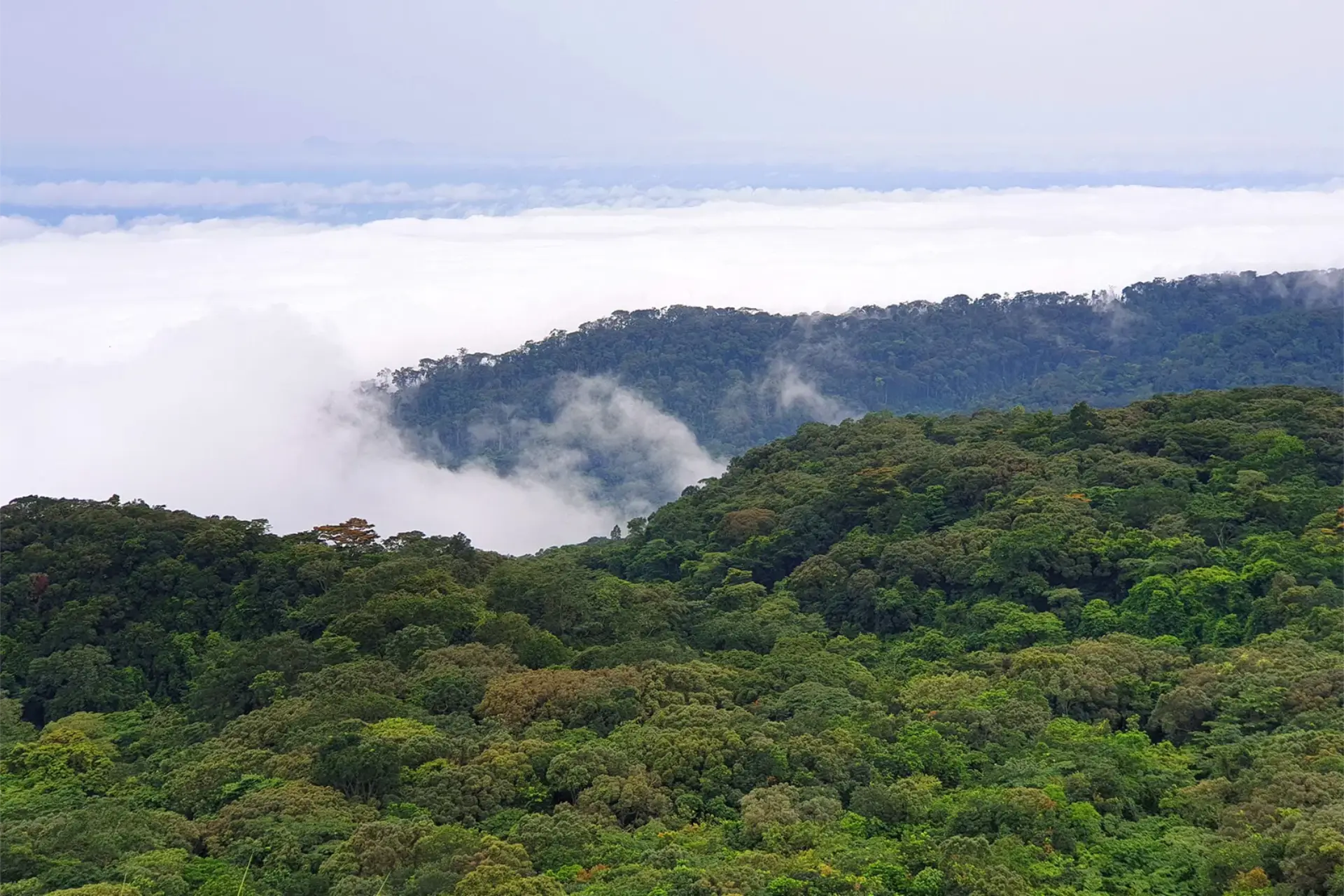
In Sierra Leone, the Gola-Tiwai Complex shows how internationally important these forests still are. UNESCO says the site includes Gola Rainforest National Park and Tiwai Island Wildlife Sanctuary, covering 71,203 hectares. It supports more than 1,000 plant species, 55 mammal species, 19 globally threatened mammals and up to 448 bird species. UNESCO also notes that the complex has remained remarkably intact compared with many other forest fragments in the Upper Guinean system.
Taï National Park, Côte d’Ivoire
Further east, Taï National Park in Côte d’Ivoire remains one of the last major remnants of primary tropical forest in West Africa. UNESCO highlights its rich flora and threatened mammals, including the pygmy hippopotamus and 11 species of monkeys. For travellers, Taï is a reminder that West African rainforest is not simply about dense tree cover. It is one of the last refuges for some of the region’s most distinctive and threatened wildlife.
What travellers can experience
Rainforest travel in West Africa rarely delivers the kind of fast, high-volume wildlife spectacle often associated with open savannah safari. Its rewards are different. They are slower, quieter and often more immersive.
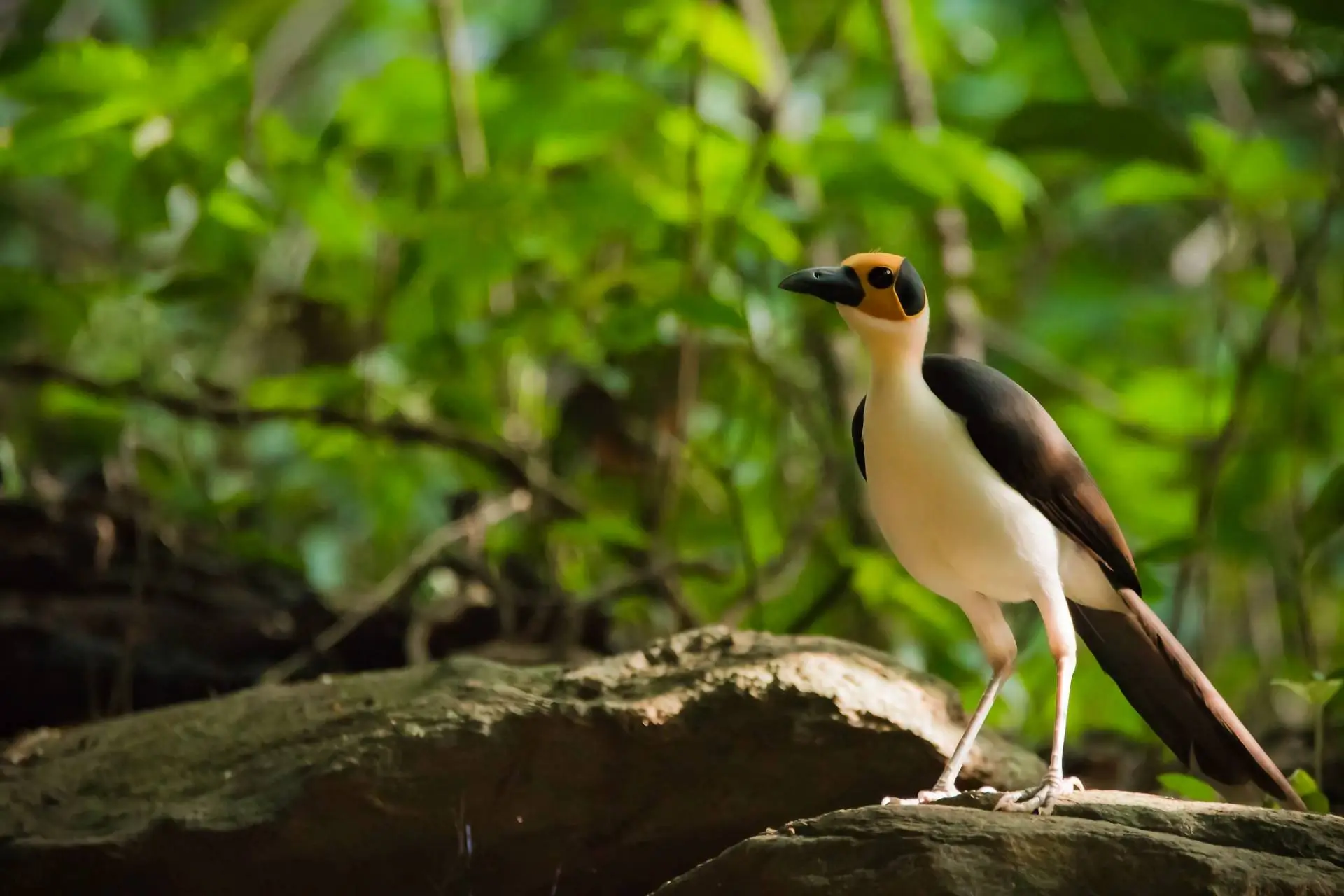
A rainforest journey may mean dawn bird calls, guided walks under closed canopy, butterflies in forest clearings, primate movement high in the trees, river crossings, endemic birdlife, and a growing awareness of how much life is present even when it is not immediately visible. In places like Gola-Tiwai, that richness extends beyond headline species: UNESCO notes more than 500 butterfly species and around 140 dragonfly and damselfly species in the wider complex.
That makes rainforest travel especially appealing for birders, photographers, naturalists and travellers who enjoy depth over spectacle. It also suits people who want to understand West Africa more fully, beyond the destinations and narratives that dominate mainstream travel coverage.
The main threats facing these forests
The urgency behind rainforest conservation in West Africa is real. Across the region, major pressures include agricultural expansion, logging, mining, hunting and broader land-use change. BirdLife and CEPF both identify land clearance for agriculture, over-hunting, mining and climate change as major threats to the Guinean Forests hotspot. FAO similarly highlights agriculture and small-scale logging among the major drivers of forest degradation and loss across West Africa.
That context matters because it changes how rainforest travel should be understood. These are not empty green spaces waiting to be admired. They are ecologically important landscapes under pressure, and visiting them responsibly means recognising both their beauty and their fragility.
What responsible rainforest travel looks like
Responsible travel in rainforest areas is usually quite straightforward in practice. It means using knowledgeable local guides, respecting park rules, staying on marked trails, avoiding any purchase linked to wildlife products or bushmeat, and choosing operators and accommodation that understand the conservation value of the landscape.
It also means adjusting expectations. Rainforests reward patience. They are places for observation, listening and careful movement. The experience is often less about instant spectacle and more about learning to notice complexity. For many travellers, that is exactly what makes them memorable.
Why conservation and travel belong in the same conversation
Tourism is not a cure-all for rainforest loss. It cannot replace strong protected-area management, community rights, better land-use policy or long-term conservation funding. But when done well, it can support the argument that intact forests have lasting value.
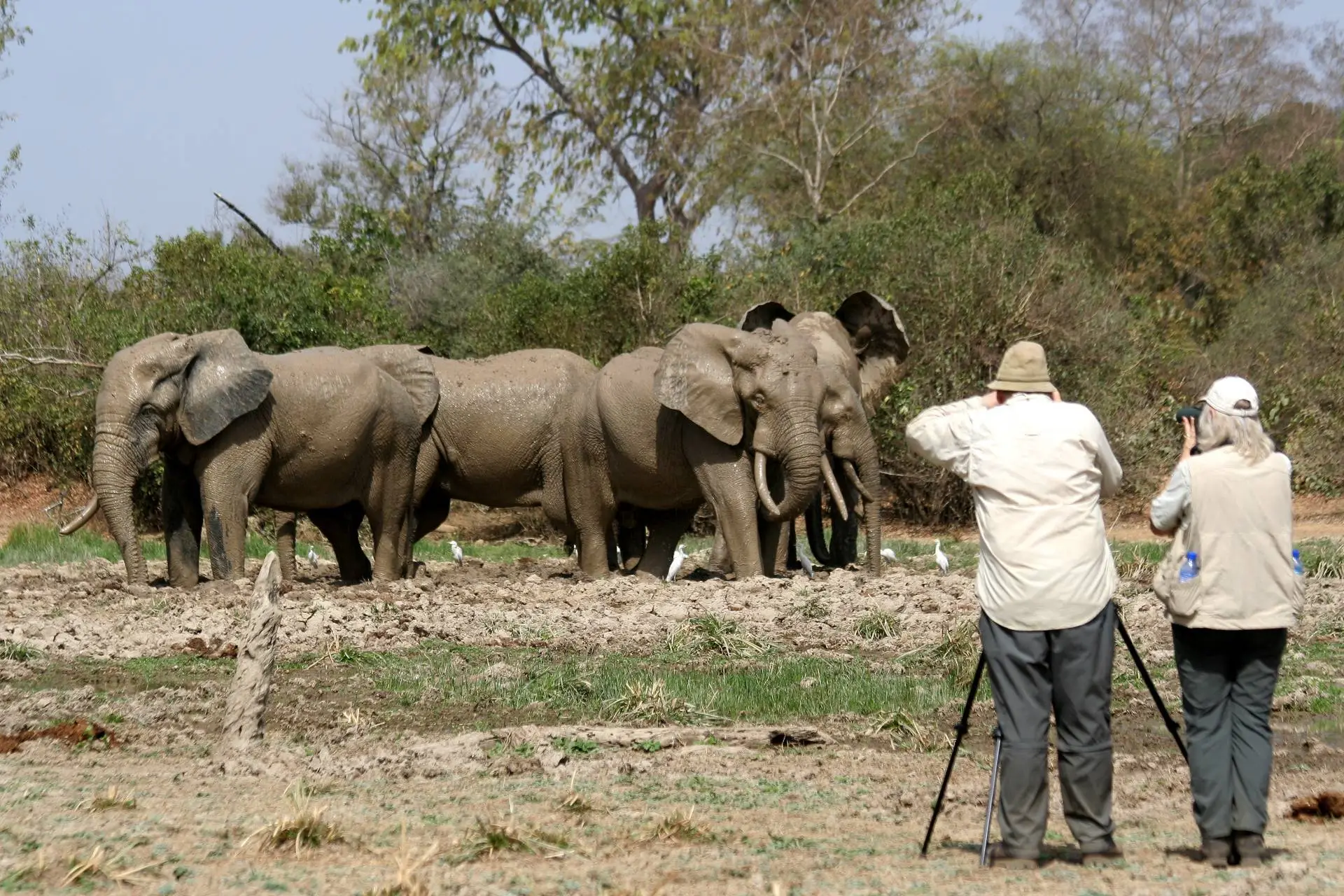
That value is ecological, of course, but it can also be social and economic. A standing forest can support guiding, accommodation, transport, local enterprise, research visits and conservation partnerships in ways that short-term extractive uses cannot. In the right places, that helps reinforce the case for protection.
Conclusion
West Africa’s rainforests matter because they are rare, rich and increasingly fragile. They matter to scientists because of the biodiversity they still hold. They matter to local communities because of the livelihoods, resources and environmental services they provide. And they matter to travellers because they offer one of the most rewarding ways to understand the region beyond its better-known stories.
For anyone interested in nature, birding, conservation or simply a deeper view of West Africa, the rainforests are not a side note. They are one of the region’s most important stories.
For travellers planning ahead, they are also one of the most rewarding reasons to look at West Africa more closely.