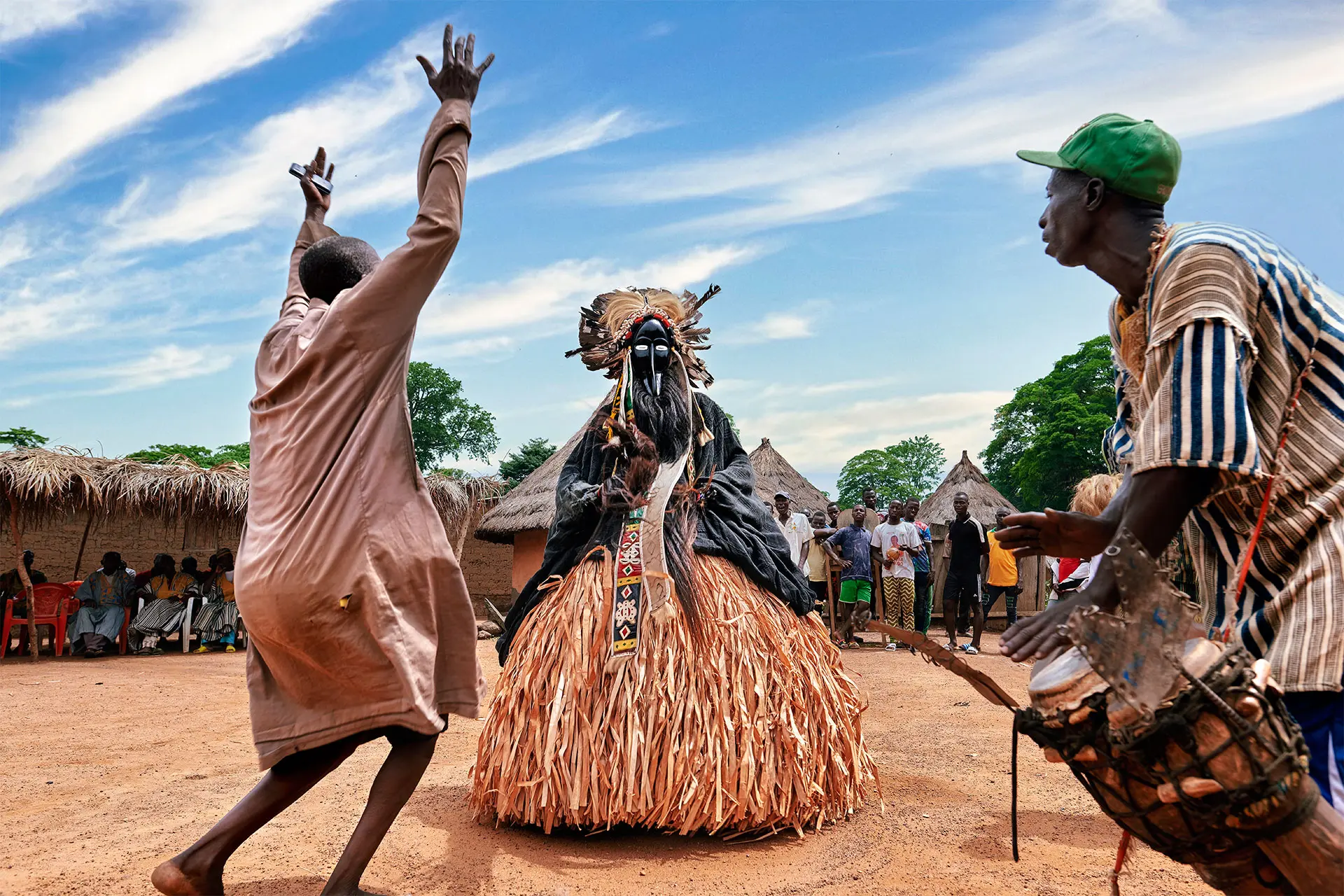
Every year on April 18, the world pauses to mark International Day for Monuments and Sites — widely known as World Heritage Day. For travellers, historians, and cultural explorers, this is a moment to look beyond the surface of ancient stones and crumbling walls and ask: what stories do these places hold? Nowhere on earth answers that question more powerfully than West Africa. From the haunted dungeons of coastal forts in Ghana to the sun-baked mud mosques of Mali, West Africa heritage sites carry the full weight of human ambition, faith, suffering, and resilience. These are not merely ruins. They are living archives of a civilisation that shaped the modern world.
The Forts and Castles of Ghana: Monuments to Trade, Power, and Pain
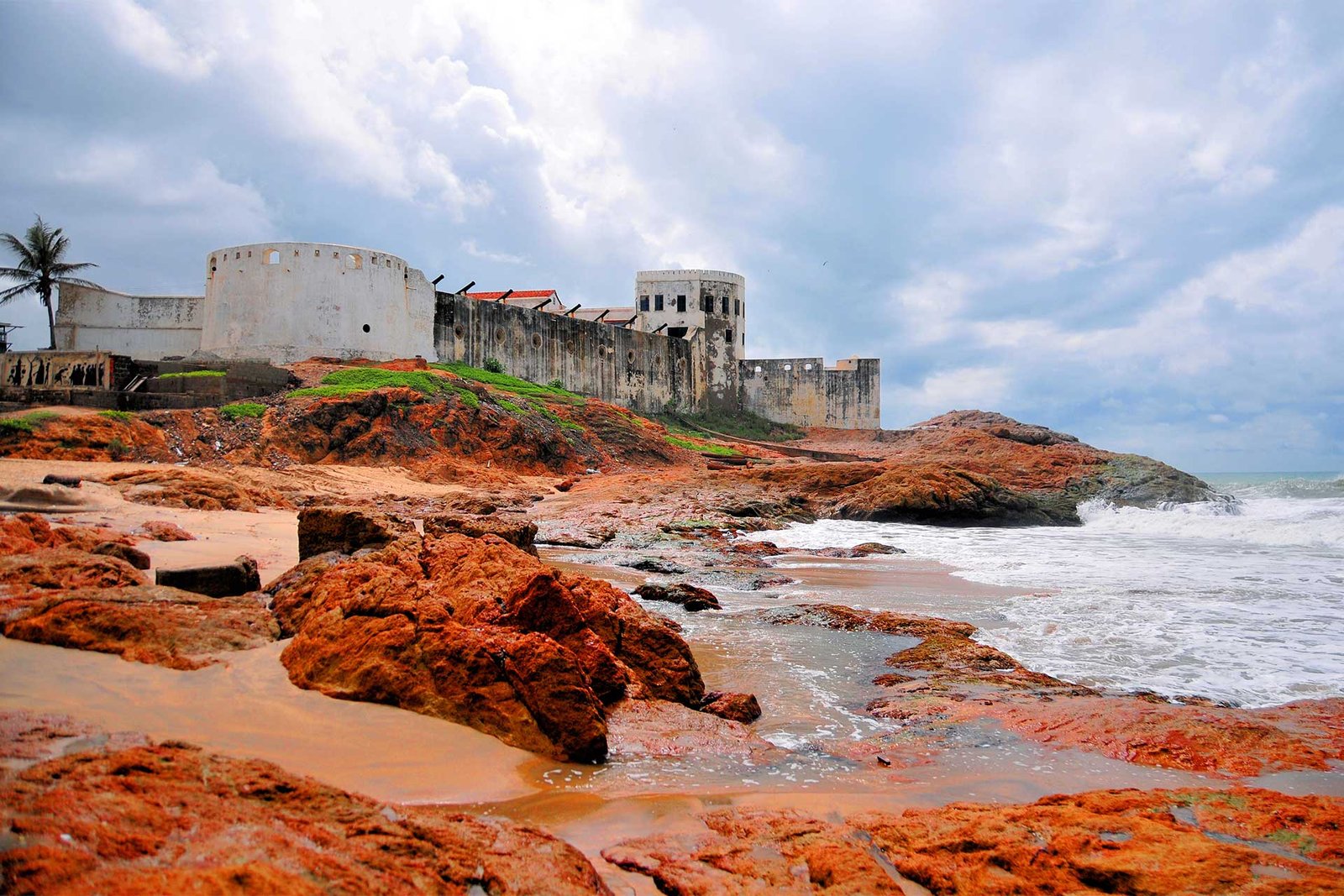
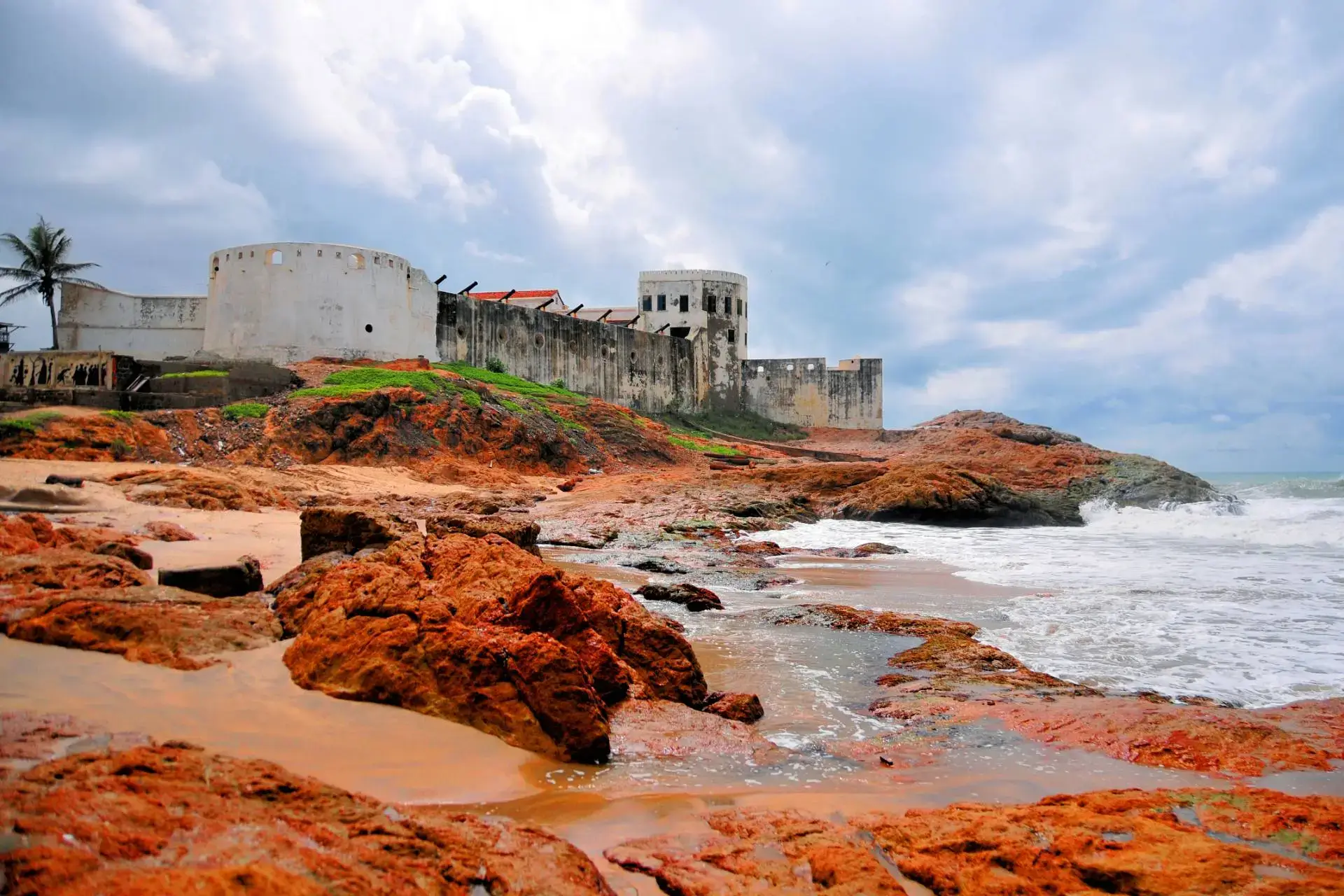
Perhaps no West Africa historical sites carry a more complex legacy than the forts and castles that line the coast of Ghana. Built from the 15th century onwards by European powers — Portuguese, Dutch, British, Danish, and Swedish — these fortifications were originally constructed as trading posts. Over time, however, they became the central infrastructure of the transatlantic slave trade, and today they stand as the most visited West Africa UNESCO sites on the continent.
Cape Coast Castle and Elmina Castle are the most iconic. Elmina, built by the Portuguese in 1482, is the oldest surviving European structure in sub-Saharan Africa. Its whitewashed walls rise above the Atlantic with a brutal elegance that belies what occurred inside its dungeons. Both castles were inscribed on the UNESCO World Heritage List in 1979, recognised as monuments of universal significance to the African diaspora heritage story. Walking through the Door of No Return at Cape Coast Castle is an experience that no amount of reading can prepare you for. The silence inside those dungeons speaks louder than any history book.
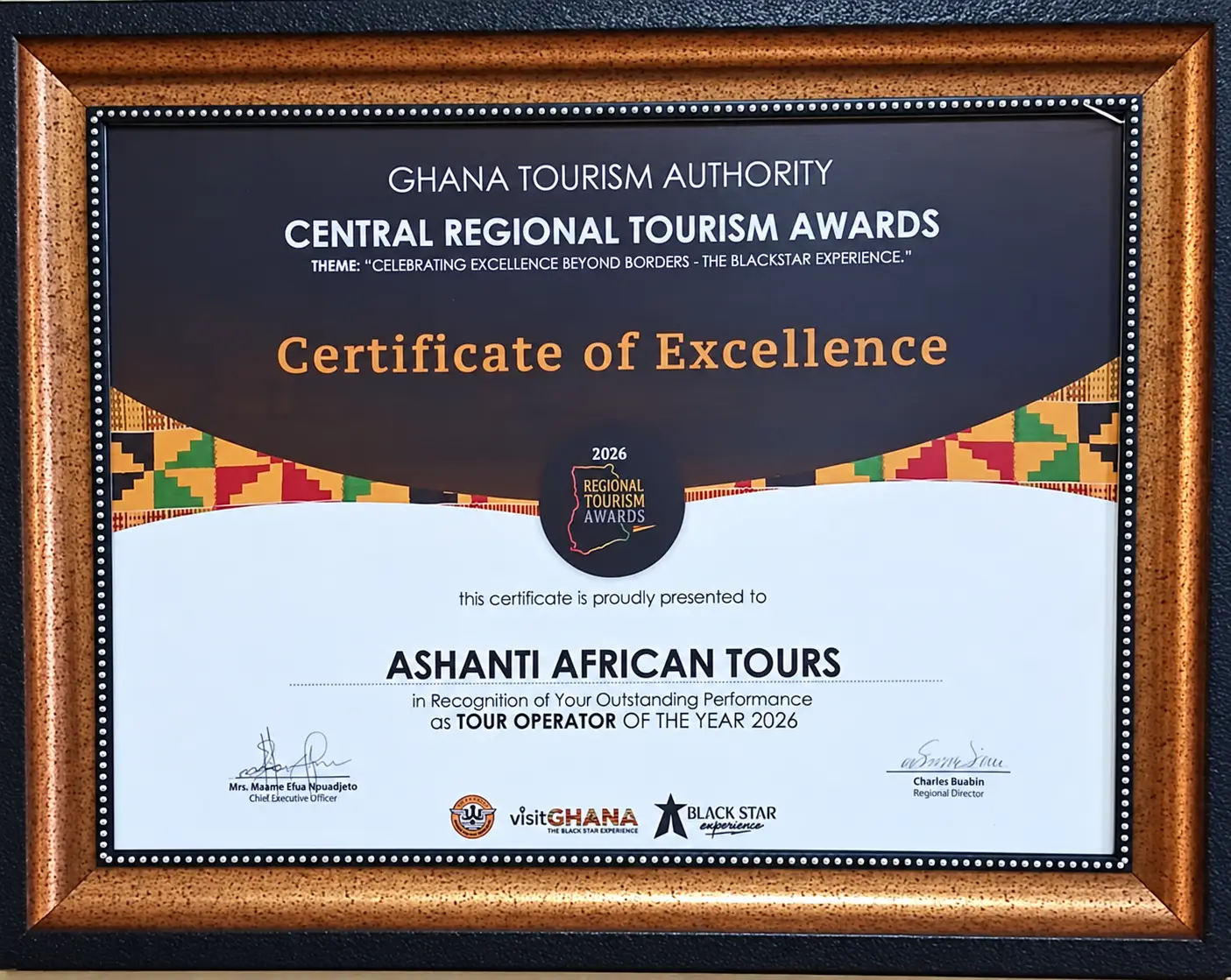
For those serious about understanding West Africa slave trade sites and their place in global history, a guided heritage tour along Ghana’s coast with Ashanti African Tours provides essential context that transforms a visit into a genuine reckoning with the past.
Gorée Island and the Route des Esclaves: Senegal and Benin’s Testimony
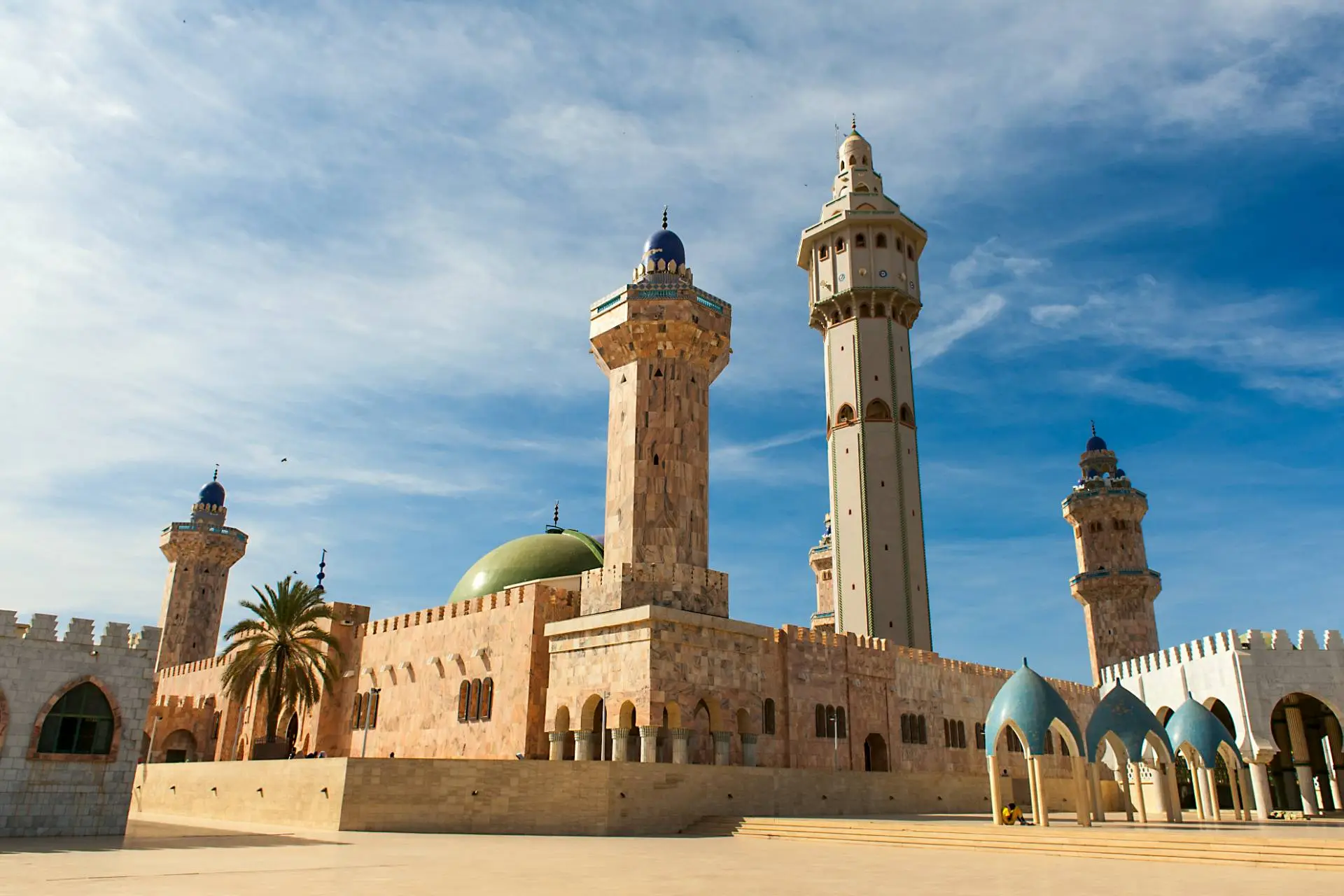
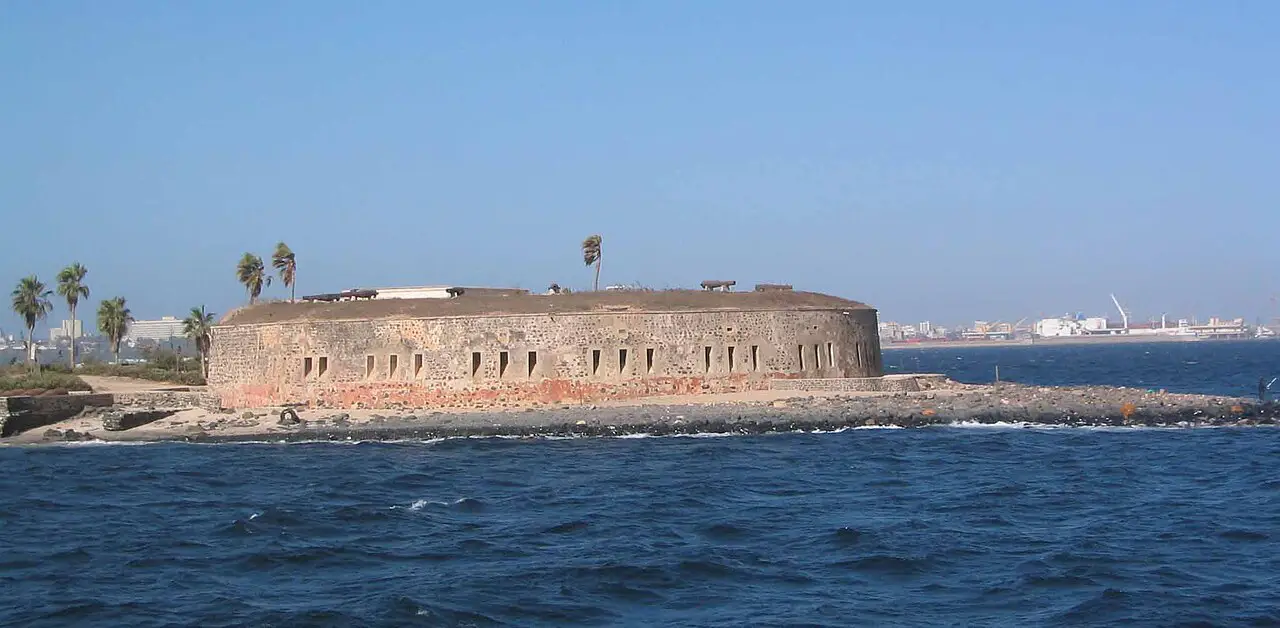
West Africa’s story of colonial encounter and forced migration is not confined to Ghana alone. In Senegal, Gorée Island stands in the Atlantic just off the coast of Dakar as one of the most emotionally charged West Africa cultural landmarks in existence. The Gorée Island heritage site was listed by UNESCO in 1978 and served for centuries as a holding point for enslaved Africans before their transport to the Americas. Its Maison des Esclaves (House of Slaves) draws heads of state and ordinary travellers alike, each confronting the same Door of No Return.
Further east, in the Republic of Benin, the Route des Esclaves (Slave Route) in Ouidah is another essential stop on any West Africa history tourism itinerary. This 4-kilometre path leads from the former slave market to the ocean, lined with monuments and voodoo shrines that represent both grief and spiritual resistance. The Royal Palaces of Abomey, also in Benin and a UNESCO World Heritage Site since 1985, tell the story of the powerful Dahomey Kingdom — the West African empire that both participated in and was ultimately consumed by the regional slave trade. The Abomey palaces are a sobering reminder that West African empires heritage sites illuminate histories of extraordinary complexity, not simple narratives of victim and villain.
Timbuktu, Djenné, and the Sacred Learning Centres of the Sahel
Long before European ships arrived on West Africa’s shores, the region was home to some of the most sophisticated civilisations on earth. The city of Timbuktu in Mali, a UNESCO World Heritage Site since 1988, was at its 14th and 15th century peak one of the most important centres of Islamic learning in the world. Its three great mosques — Djinguereber, Sankore, and Sidi Yahia — along with its famous libraries of ancient manuscripts, represent the intellectual heritage of West Africa cultural landmarks at their most magnificent. Timbuktu UNESCO heritage is a direct challenge to any lingering misconception that Africa lacked a written, scholarly tradition.
Nearby, the Great Mosque of Djenné in Mali stands as the largest mud-brick structure on earth and has been a Djenné Mosque World Heritage Site since 1988. Rebuilt in 1907 on foundations dating back to the 13th century, the mosque is replastered by the entire community every year in a ceremony that blends religious devotion with communal identity — a perfect example of living cultural heritage West Africa. These Sahelian cities are not remnants of a lost world; they remain inhabited, worshipped in, and loved.
Sacred Forests, Traditional Belief Systems, and Living Heritage
West Africa sacred sites extend well beyond the monumental. Across the region, sacred forests serve as the living temples of traditional belief systems West Africa communities have maintained for centuries. In Benin and Togo, the sacred forests of the Yoruba and Fon peoples — such as the Sacred Forest of Osun-Osogbo in neighbouring Nigeria, a UNESCO site since 2005 — are spaces where nature, ancestors, and the living intersect. These religious heritage West Africa sites are not museum pieces. They are active places of worship, initiation, and communal memory.
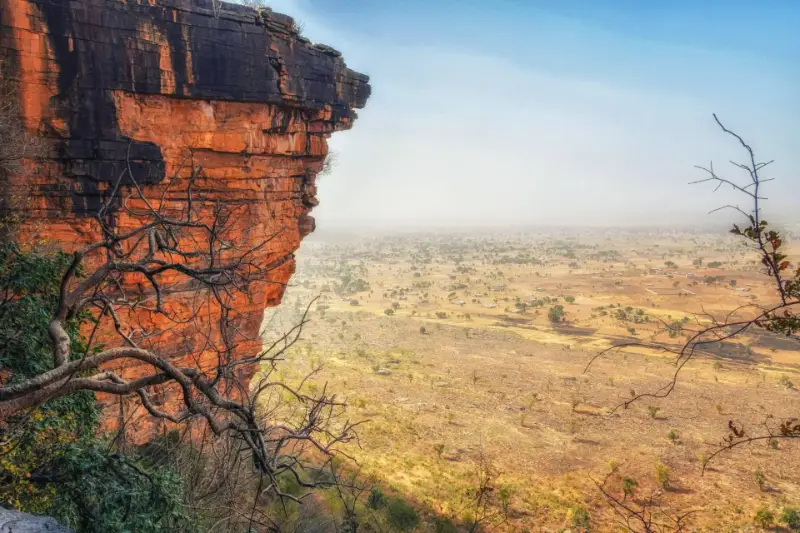
Similarly, the Koutammakou landscape in Togo and Benin, inscribed in 2004, demonstrates how architecture, farming, and sacred geography combine into a single, living cultural system. The Batammariba people’s earthen tower-houses, known as takienta, are inseparable from their cosmology. Protecting these West Africa cultural heritage sites means protecting not just buildings, but entire ways of knowing the world.
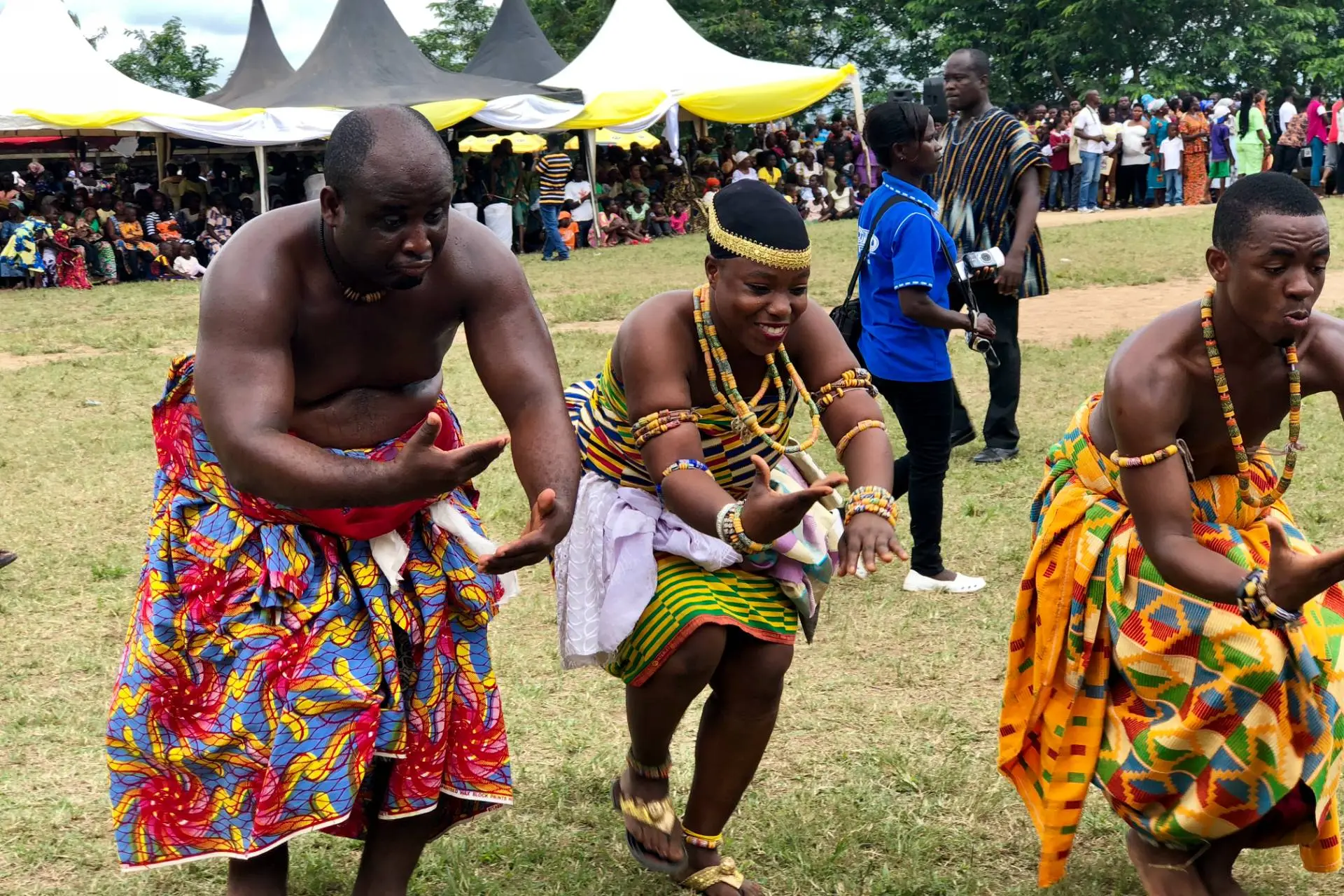
Ashanti African Tours play a crucial role in ensuring that West Africa cultural tourism is conducted responsibly — connecting travellers to local guides, communities, and experts who ensure that heritage visits generate benefit for the places and peoples they celebrate.
Why World Heritage Day Matters for West Africa
On World Heritage Day, the designation of a site as a UNESCO landmark is only the beginning of the conversation. For West Africa, these sites represent centuries of layered history: pre-colonial empire, Islamic scholarship, colonial trauma, spiritual resilience, and ongoing cultural vitality. The challenge of heritage conservation West Africa faces today is real — climate change threatens coastal forts, political instability has endangered Timbuktu’s manuscripts, and tourism pressure tests the integrity of sacred spaces. Yet awareness, funding, and responsible travel can make a difference.
West Africa historic landmarks are not only important to Africans or to the African diaspora. They are important to all of humanity, because the stories they tell — of trade, faith, empire, oppression, and survival — are stories that belong to the shared human record. World Heritage Day is the ideal moment to commit to knowing them better.
Ready to Experience West Africa’s Heritage for Yourself?
Words and photographs can only take you so far. If World Heritage Day has inspired you to explore the forts, castles, sacred sites, and ancient cities of West Africa in person, now is the time to start planning.
Visit Ashanti African Tours to browse expertly guided heritage tours across Ghana, Senegal, Mali, Benin, and beyond. Our itineraries are designed to connect you with the history, the communities, and the living culture that makes West Africa one of the most profoundly rewarding destinations on earth.
History isn’t just something you read. It’s somewhere you go.