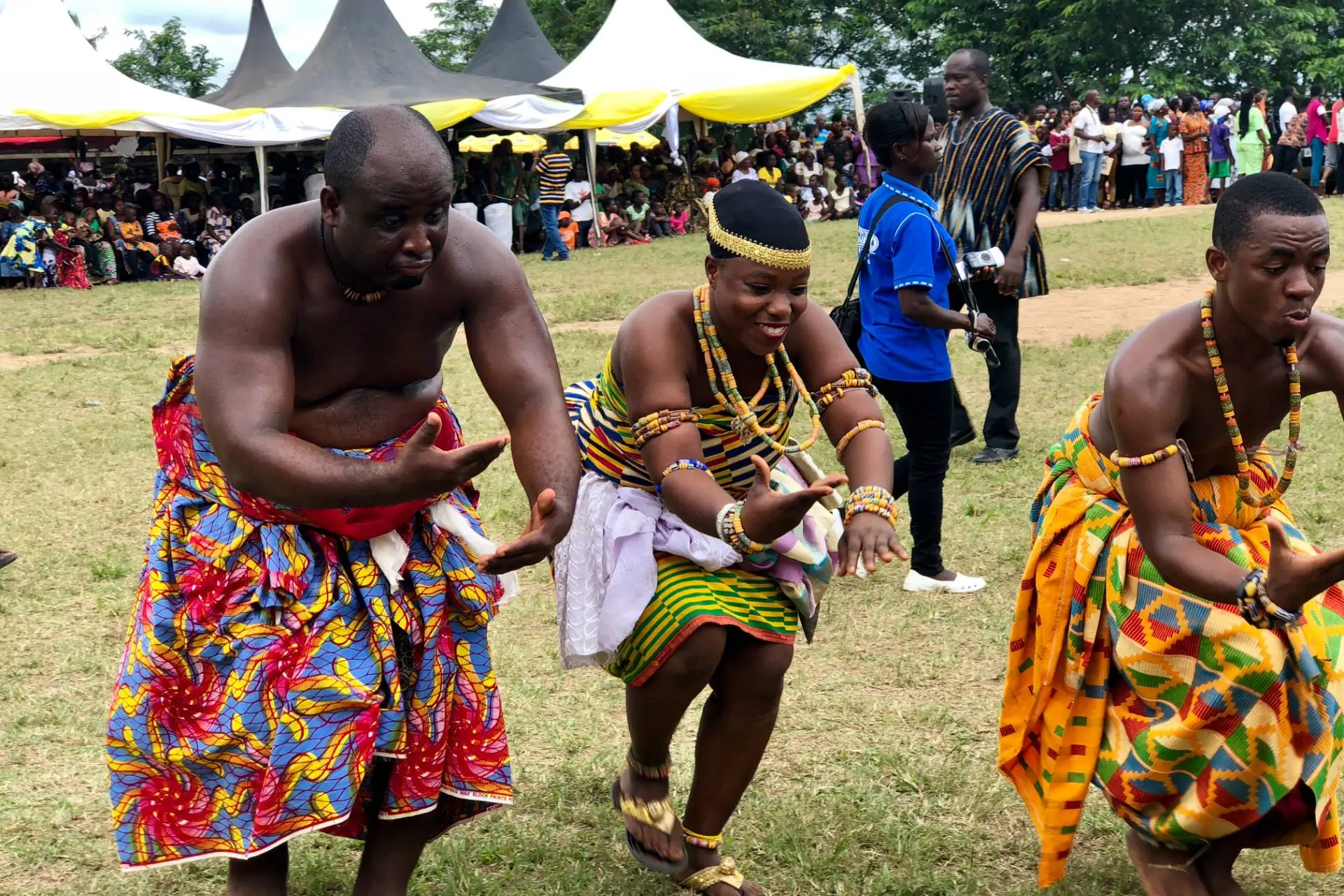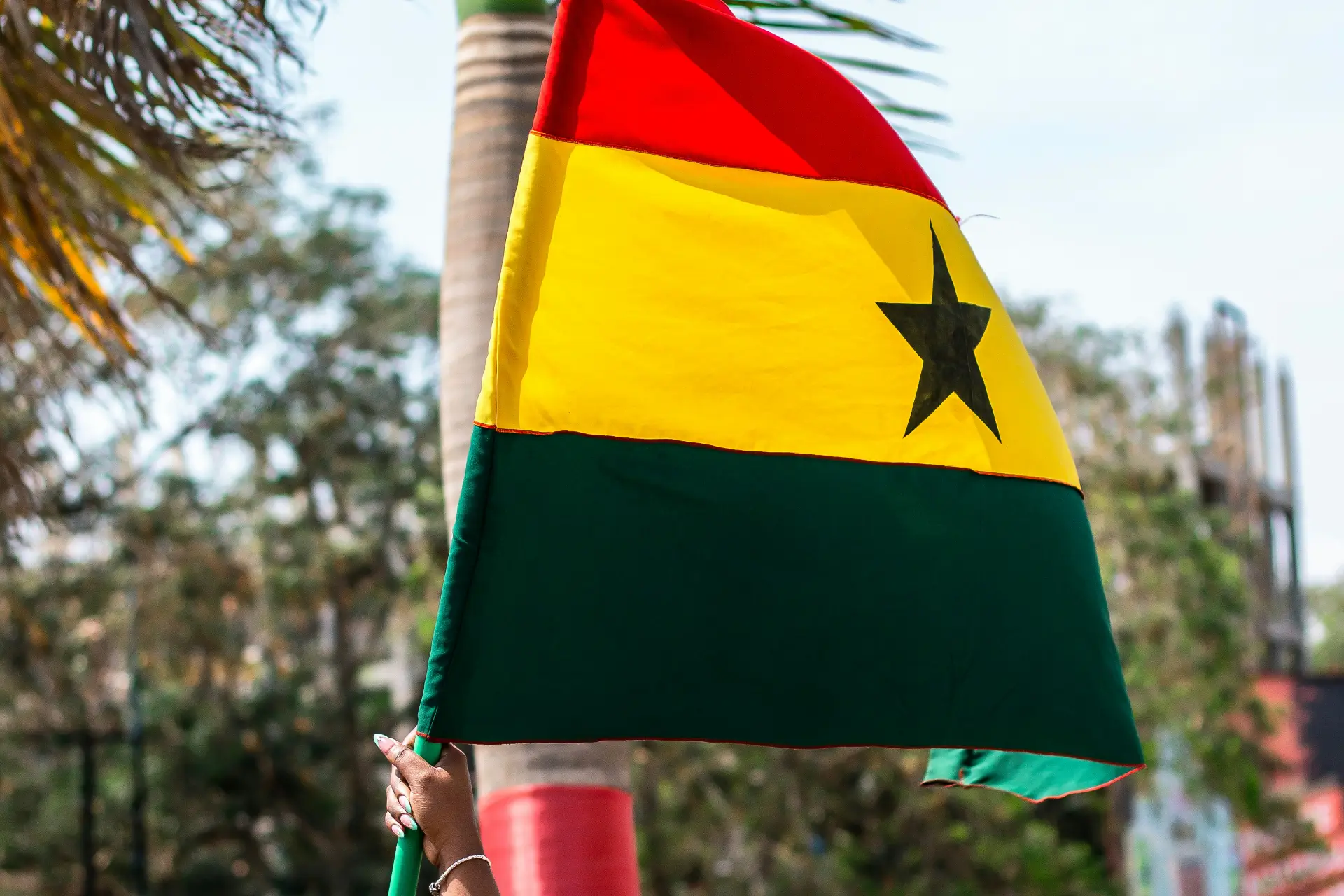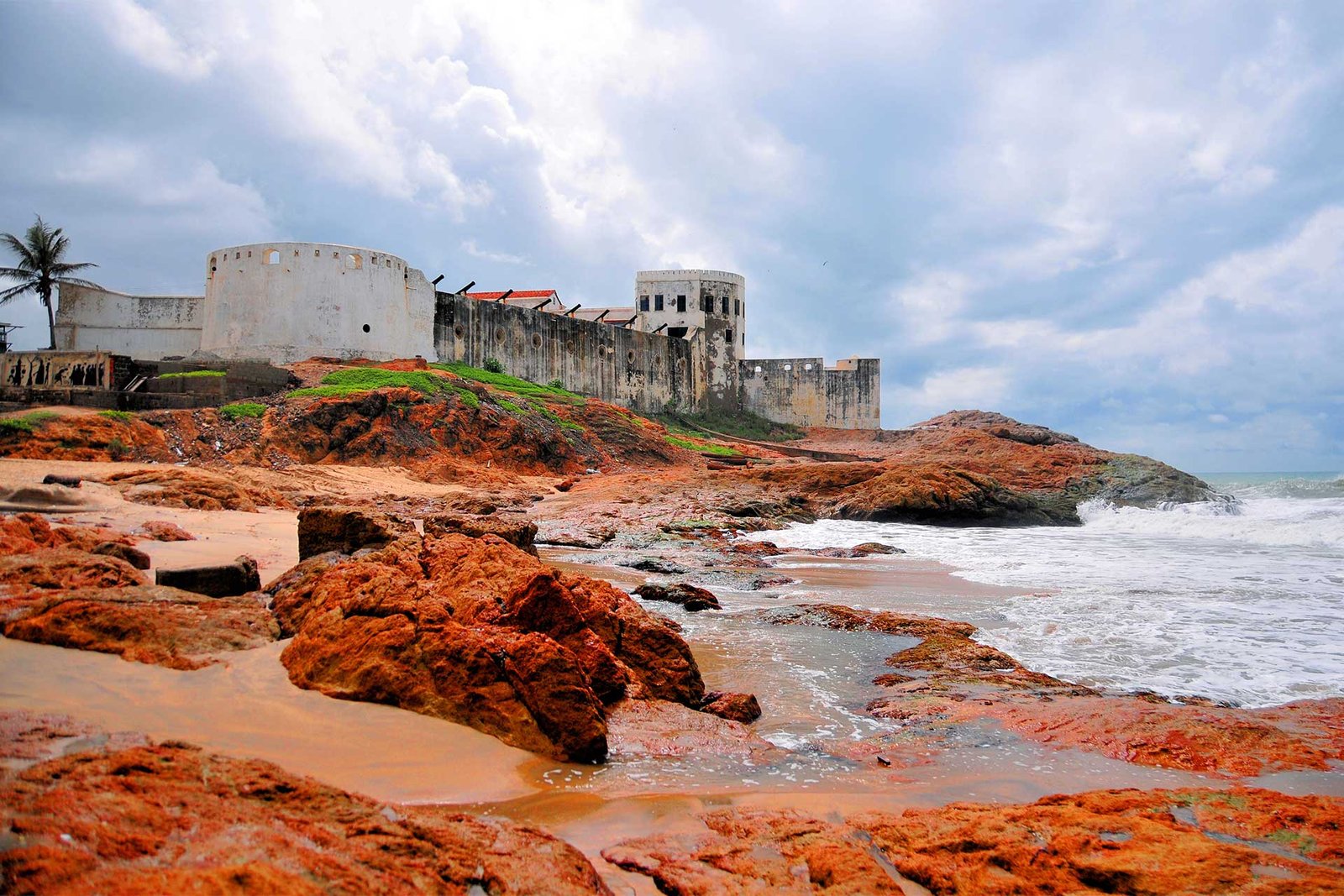
A naming ceremony is a celebration in which a person receives a name and is welcomed into a family or community. In Ghana and other parts of West Africa, it traditionally marks the arrival of a newborn. For people of African descent returning to their ancestral homeland, an adult naming ceremony holds a different, deeply personal significance: the opportunity to reclaim an African name, reconnect with cultural traditions and build a relationship with a local family or community.
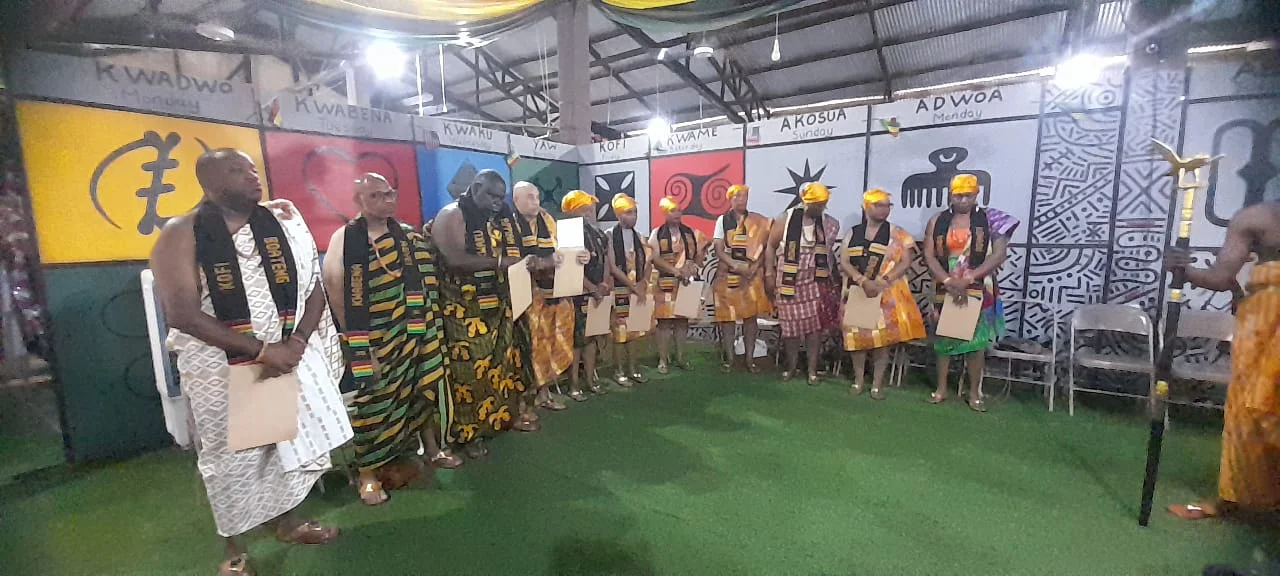
For descendants of Africans forcibly taken from the continent through the transatlantic slave trade, receiving a name can symbolise reclaiming the identity and naming traditions they might have inherited had that separation never happened. The exact name someone would have received cannot be known, but choosing to carry an African name can be a powerful expression of belonging and remembrance.
Depending on the community’s customs, the ceremony may also include being welcomed into a local family and connected with its clan. This gives the homecoming a personal connection: people who welcome you, a name whose meaning you can learn, and relationships you can continue to build.
Why does a naming ceremony matter when returning home?
For many people in the African diaspora, returning to Africa is a homecoming shaped by questions of identity, family and belonging. A naming ceremony creates space to recognise that connection in the company of local elders and community members.
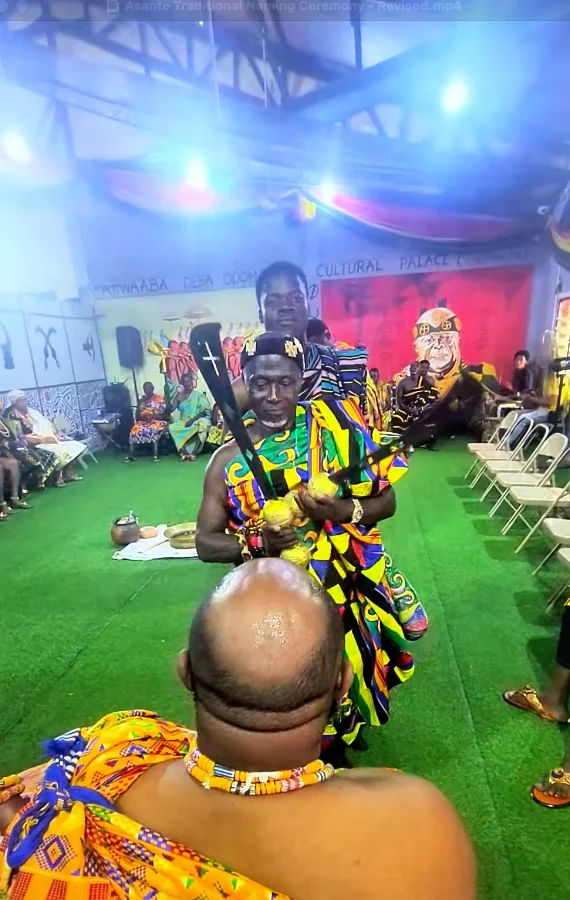
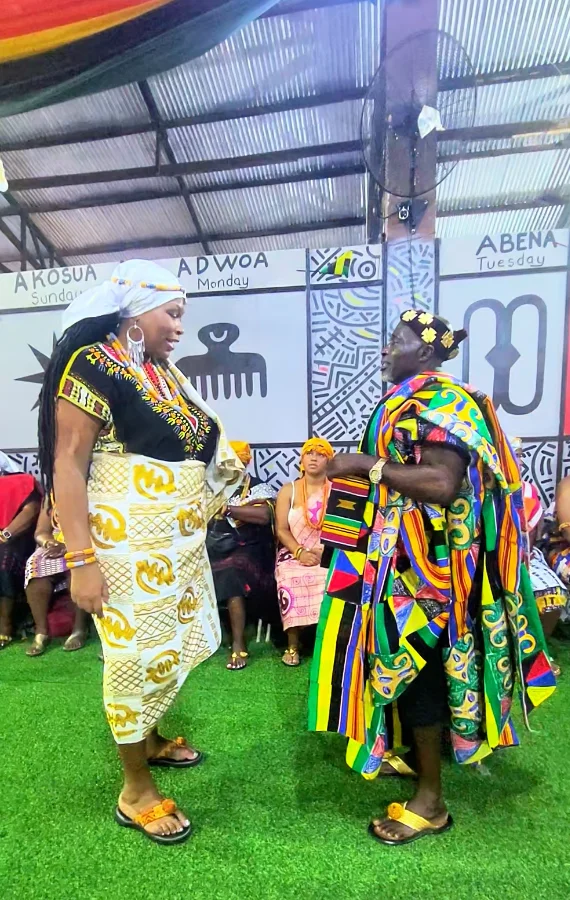
A name may carry family history, reflect the day of birth or express values passed between generations. Receiving one offers a way to bring African heritage into everyday life and share its meaning with children and future generations.
In Keta, Ghana, a documented ceremony welcomed an African-American family into the James-Ocloo royal family, with names drawn from the Bate clan of the Anlo people. The form of that welcome varies between communities; it does not automatically establish biological ancestry or mean every naming ceremony confers clan membership. The significance lies both in honouring ancestors and in the relationships being formed today.
What happens at a naming ceremony in Ghana?
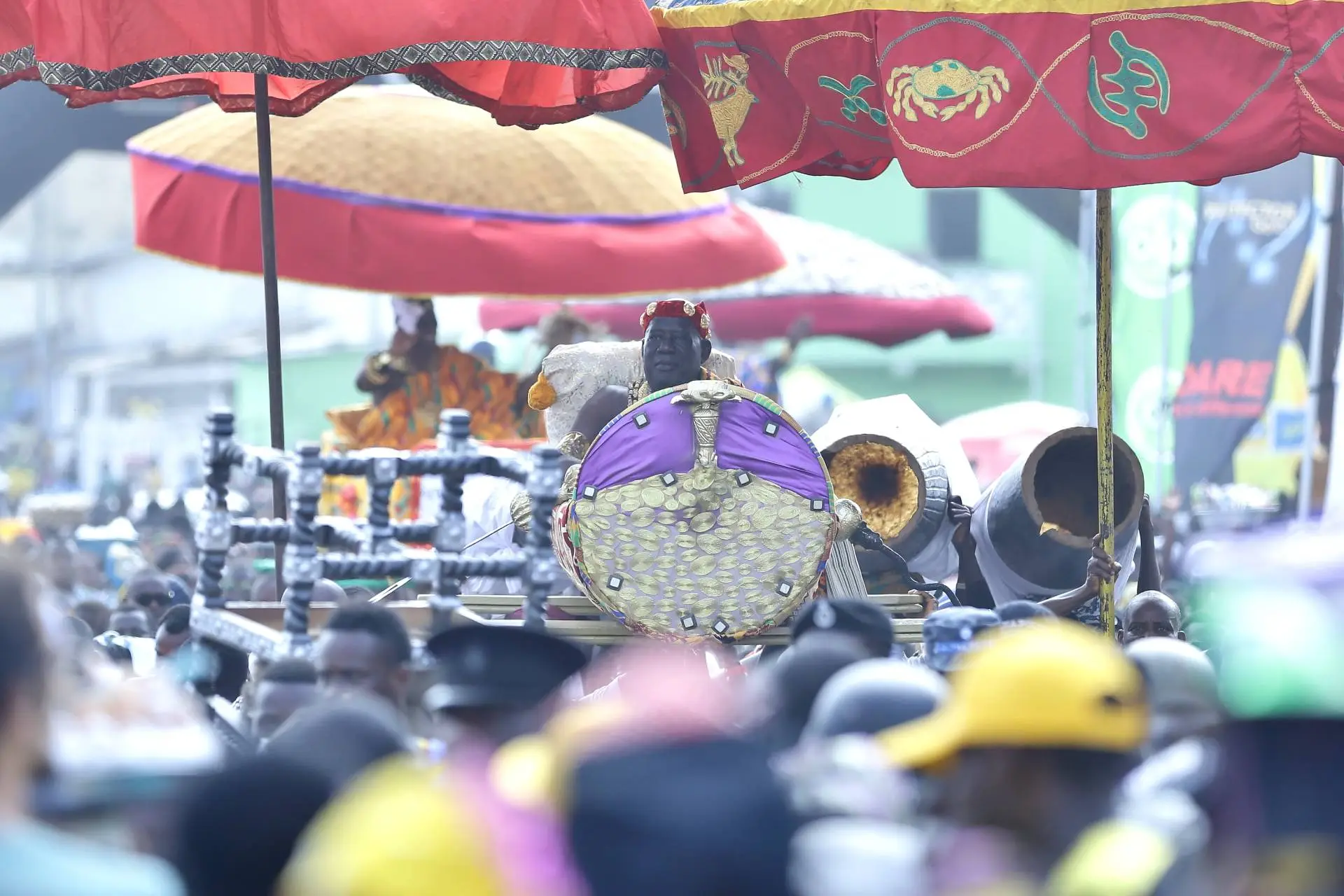
In many Akan families, including Asante and Fante communities, a baby’s naming ceremony takes place alongside an outdooring: the child’s formal introduction to the wider family and community. Traditionally, this happens on the eighth day, counting the birth date as day one.
Relatives gather, an elder announces the name and blessings are offered for the child’s future. Some ceremonies include libation, where a drink is poured as an offering while spiritual blessings are invoked.
One traditional Akan ritual uses water and an alcoholic drink to represent the difference between truth and falsehood. Its message is about honesty and the values the child is expected to learn.
These customs vary. Family preferences, religion and local traditions all influence the occasion, so each ceremony should be understood within the traditions of the community holding it.
How are Ghanaian names chosen?
Among the Akan, names may reflect the day a child was born, family relationships, religious beliefs or circumstances surrounding the birth. A day name is one part of a person’s identity and may be used alongside other names.
Here are some common Akan day names:
| Day of birth | Male name | Female name |
| Monday | Kwadwo | Adwoa |
| Tuesday | Kwabena | Abenaa |
| Wednesday | Kwaku | Akua |
| Thursday | Yaw | Yaa |
| Friday | Kofi | Afua |
| Saturday | Kwame | Ama |
| Sunday | Kwasi | Akosua |
Spellings and forms differ between Akan varieties. You may recognise Kojo as a form of Kwadwo, or Kwesi as a form of Kwasi. These are Akan naming traditions, rather than a naming system shared by everyone in Ghana.
Are naming traditions the same across West Africa?
Names carry meaning across the region, but the ways people choose and celebrate them differ between communities.
Within Ghana, Outdooring is known as kpodziemo, while Ewe communities have their own naming and introduction customs. Christian, Muslim and traditional beliefs can also shape how families celebrate.
In Côte d’Ivoire, Baoulé names can reflect the weekday of birth, birth order or particular circumstances surrounding a child’s arrival. Our Ivory Coast heritage journey includes a separate local tradition: a naming ceremony in Krinjabo, in the Sanwi Kingdom.
In Senegal, research among Lebu communities describes the ngénte naming celebration one week after birth. A child may be named after a relative or friend, creating a connection with a namesake who can play an ongoing role in their life.
In The Gambia, naming celebrations often bring together Islamic observances and local customs. Prayers, cutting or shaving the baby’s hair, announcing the name and sharing food may form part of the occasion.
Among Yoruba communities in south-western Nigeria, names often express family circumstances, history and values. Naming ceremonies are commonly held on the eighth day today, although practices and timings vary.
How can you include a naming ceremony in your homecoming?
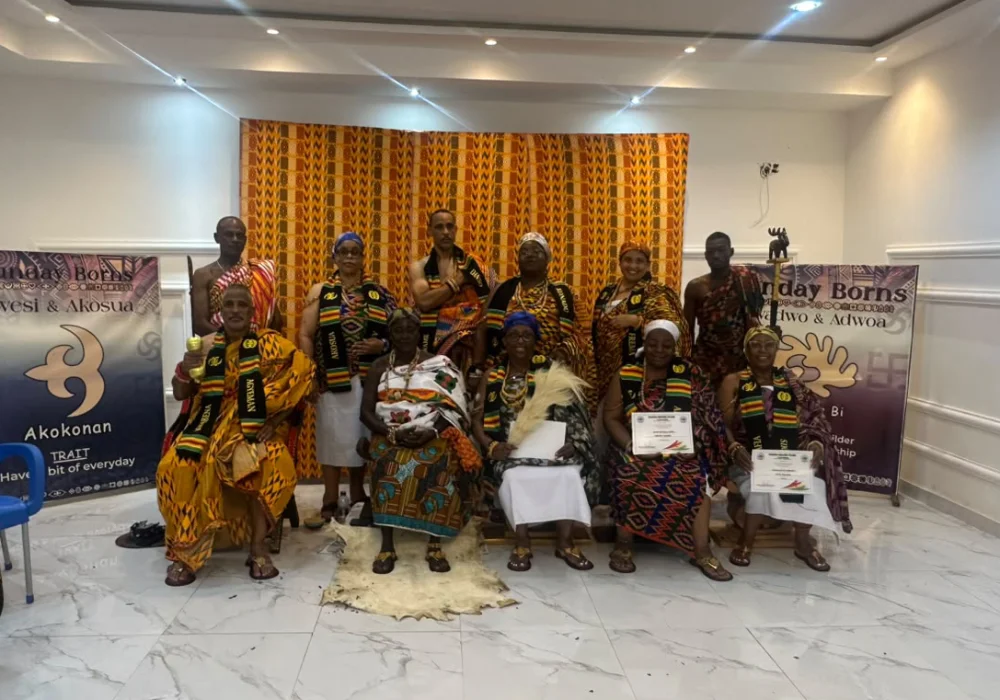
Selected Ashanti African Tours heritage journeys include naming and homecoming ceremonies hosted by local chiefs or elders. These ceremonies welcome members of the African diaspora reconnecting with their homeland and are distinct from a baby’s naming and outdooring.
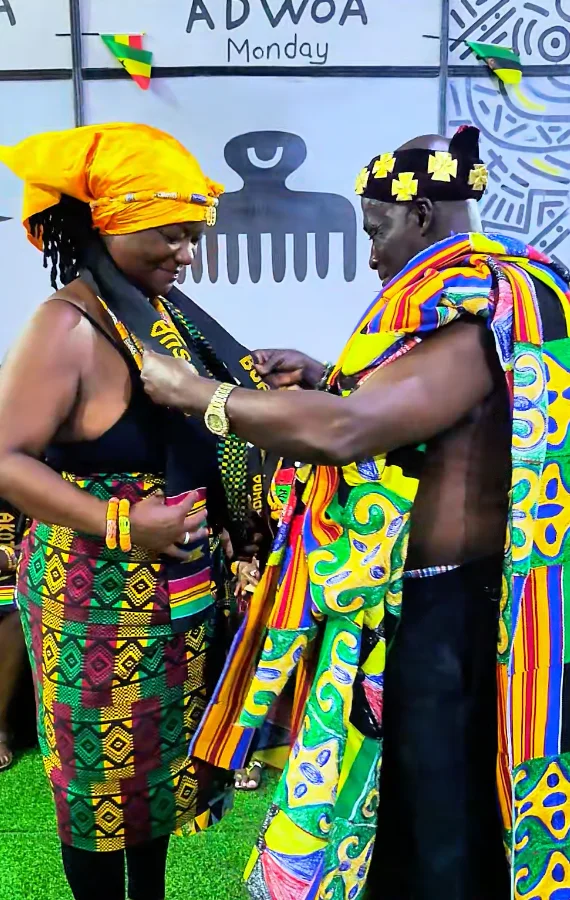
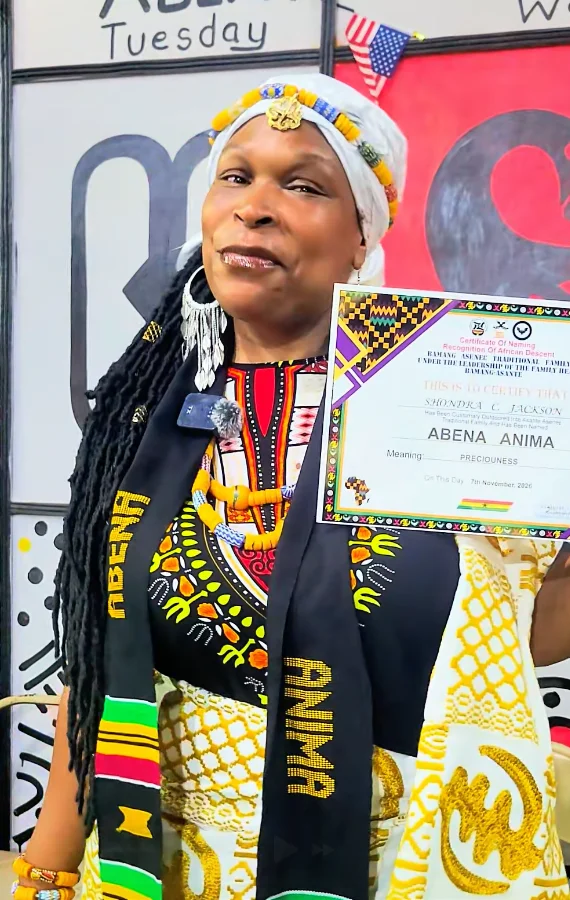
The elders guide the occasion according to their traditions. Take time to learn what your name means, how to pronounce it and why it has been chosen. Where a family or clan welcome forms part of the ceremony, ask about that connection and how you can keep in touch after returning to your country of residence.
You can include a naming ceremony in the following journeys:
- Ghana Black Star Experience – 8 Days: includes a naming and homecoming ceremony with elders during your time in Kumasi.
- Ghana Black Star Experience – 10 Days: includes a naming and homecoming ceremony during the Kumasi stay, within a longer exploration of Ghana.
- Ghana Homecoming Heritage Tour – 10 Days: includes a village naming ceremony with chiefs and elders.
- Ivory Coast Heritage Tour with Naming Ceremony – 7 Days: includes a naming ceremony in Krinjabo, in the Sanwi Kingdom.
How should you prepare?
Your guide will explain what to expect, including suitable clothing and any local customs to observe. Ask before taking photographs and discuss any religious or personal preferences with your guide in advance.
Most of all, arrive ready to listen and learn. A naming ceremony offers time with the people welcoming you, and a chance to understand the traditions they are sharing.
To make a naming ceremony part of your homecoming, contact Ashanti African Tours or explore the itineraries above.