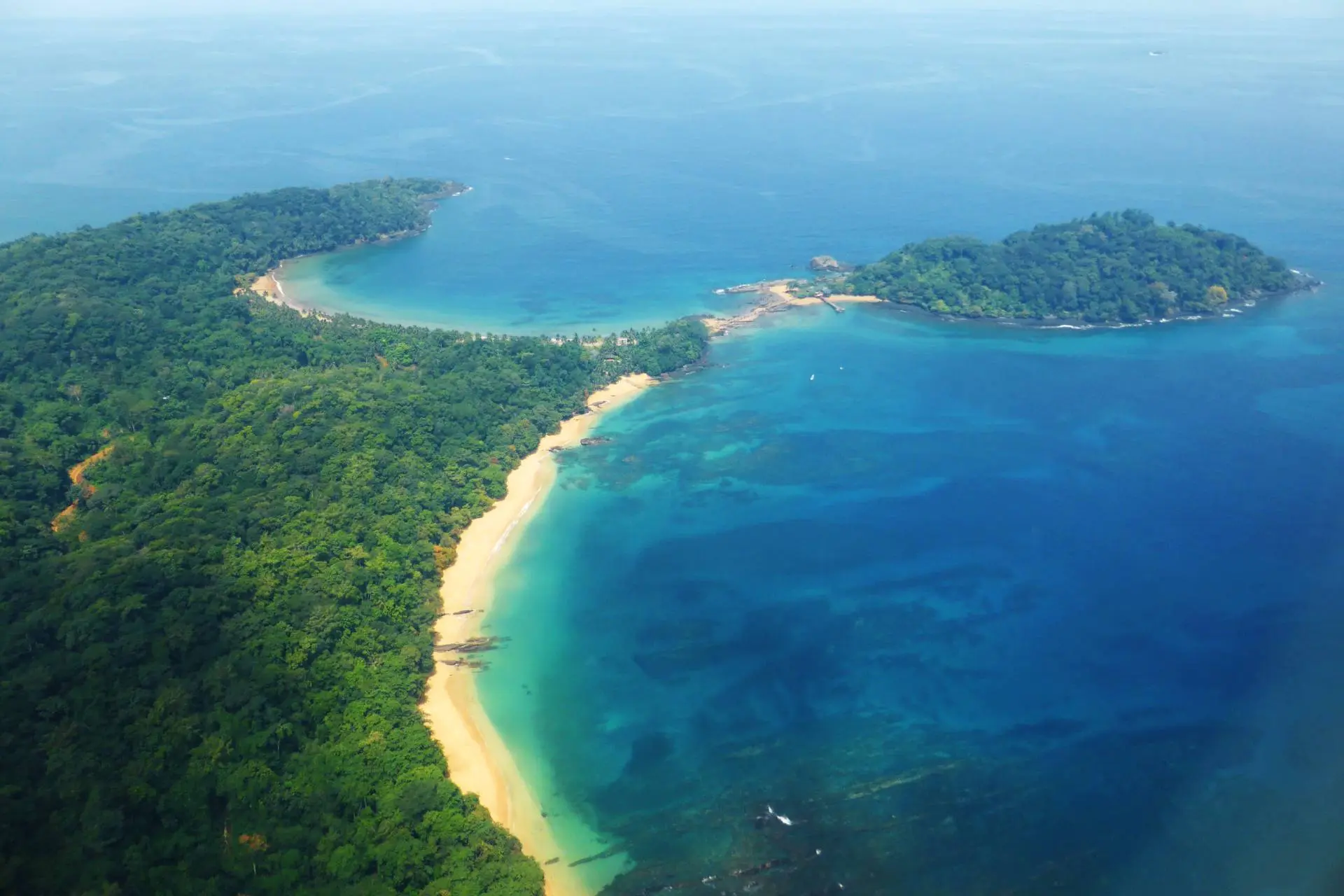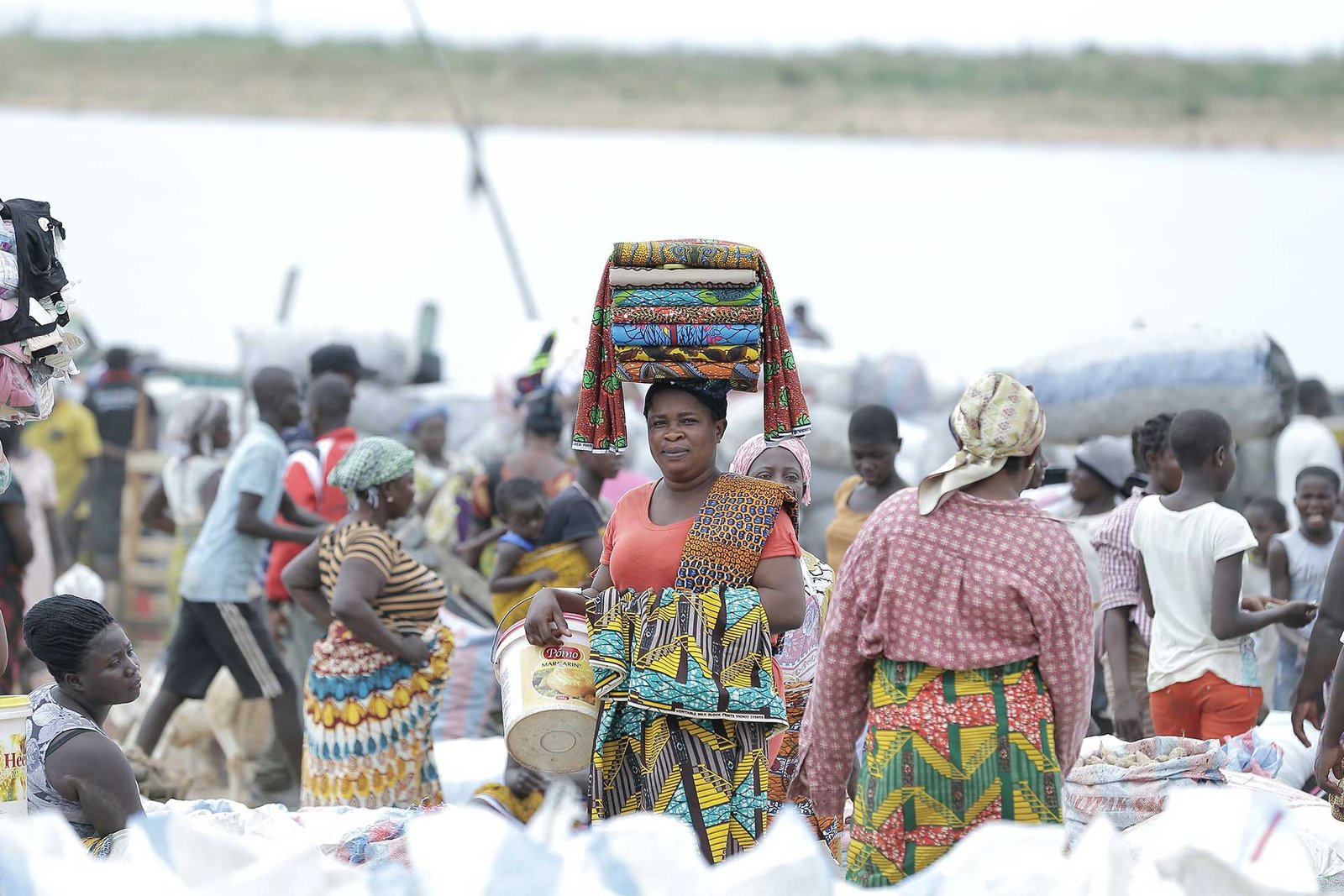
There is no single perfect month for every West Africa trip. The region stretches from the Sahel to the Gulf of Guinea and out to island destinations such as São Tomé & Príncipe, so rainfall, humidity and travel conditions vary quite a lot. That said, for many mainland trips covering culture, heritage and general sightseeing, the most reliable window is usually the dry season from roughly November to March, when rainfall is lower and moving around is generally easier. Ghana is often at its most comfortable from October to April, while Senegal and The Gambia are usually best in the drier months from November to March or April. São Tomé & Príncipe is different again, with two better dry-season windows: June to September and December to February.
Check out our West Africa destinations
For culture and heritage, aim for the dry season

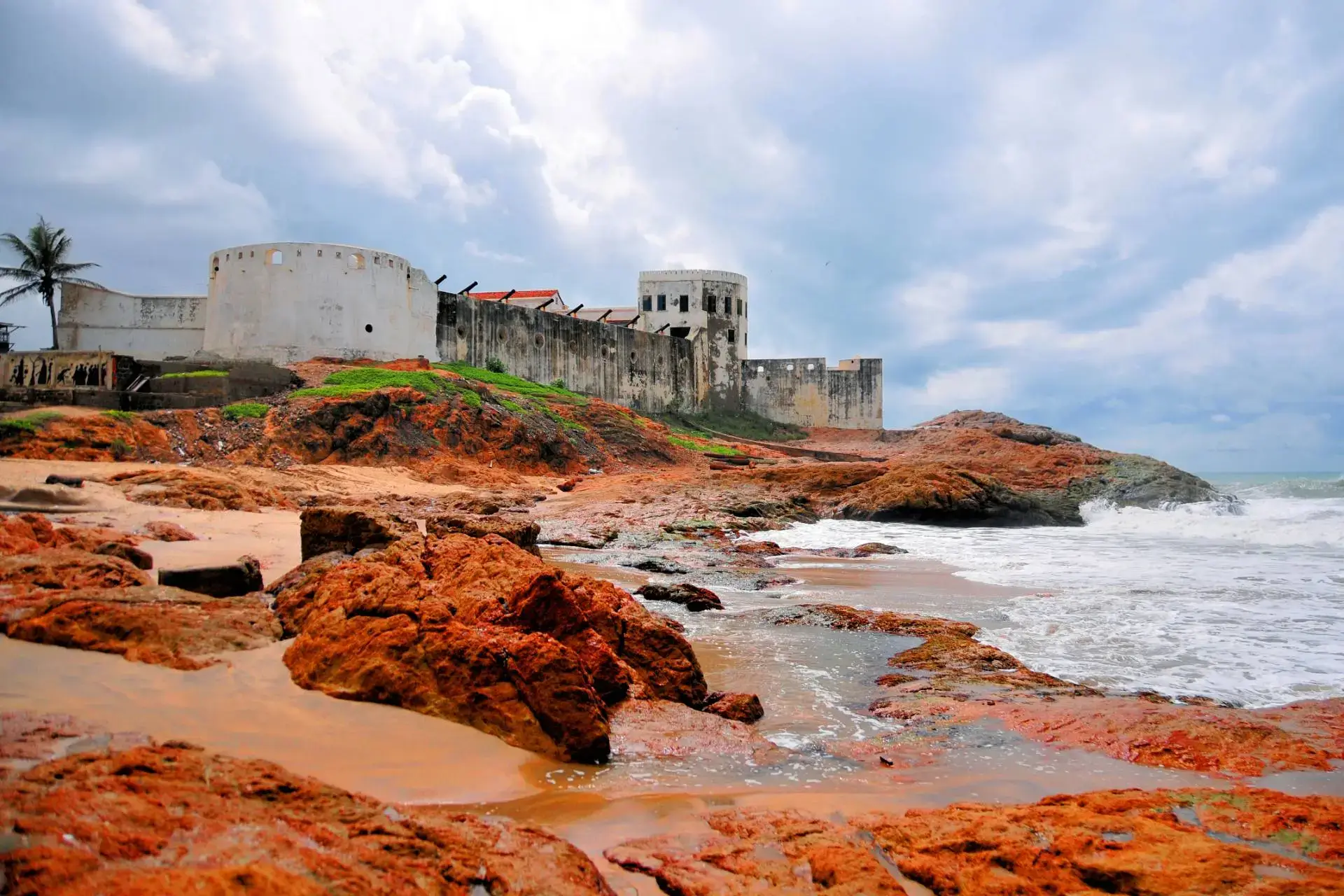
If the main purpose of your trip is cultural travel, history, cities, festivals and multi-country touring, the dry season is usually the safest choice. Roads are generally easier, rain is less disruptive, and day-to-day logistics are simpler. This matters particularly in countries such as Ghana, Senegal and The Gambia, where many classic routes combine cities, heritage sites, coastal stops and inland drives. Ghana travel specialists commonly point to October to March or April as the most comfortable period, while Senegal is generally easiest from November to May, with December to April especially popular for drier conditions.
The main drawback is the harmattan, which affects parts of West Africa most noticeably between December and February. In Ghana especially, Bradt notes that dry-season travel is usually more comfortable because humidity is lower, but harmattan dust can reduce visibility and make skies look duller for scenery and photography. So if your priorities are history, culture and easy travel, the dry season is still the best choice, but late October, November and March often give a slightly better balance than peak harmattan weeks.
Check out our popular Cultural & Historical tours
For wildlife and birding, think in seasons rather than countries
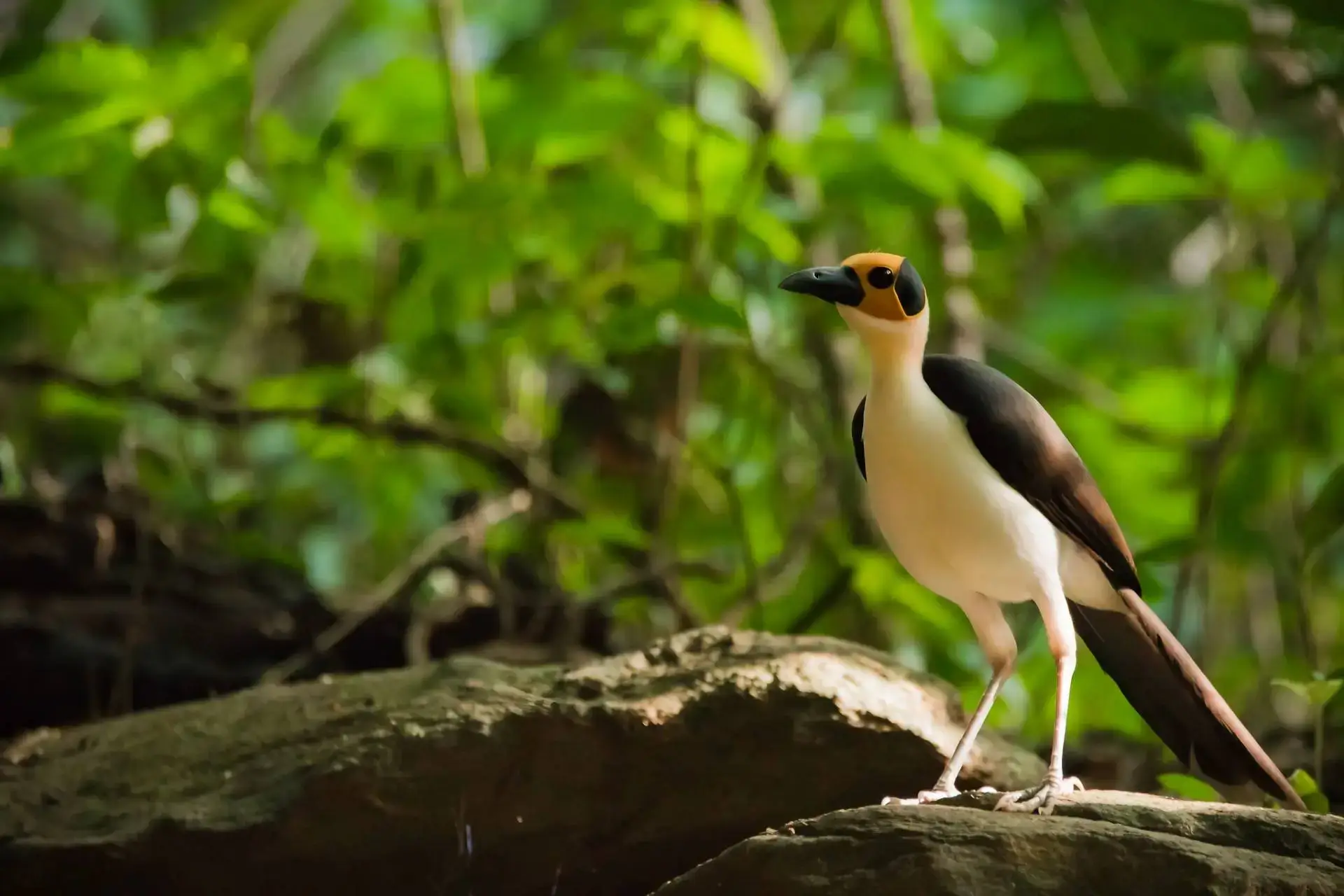
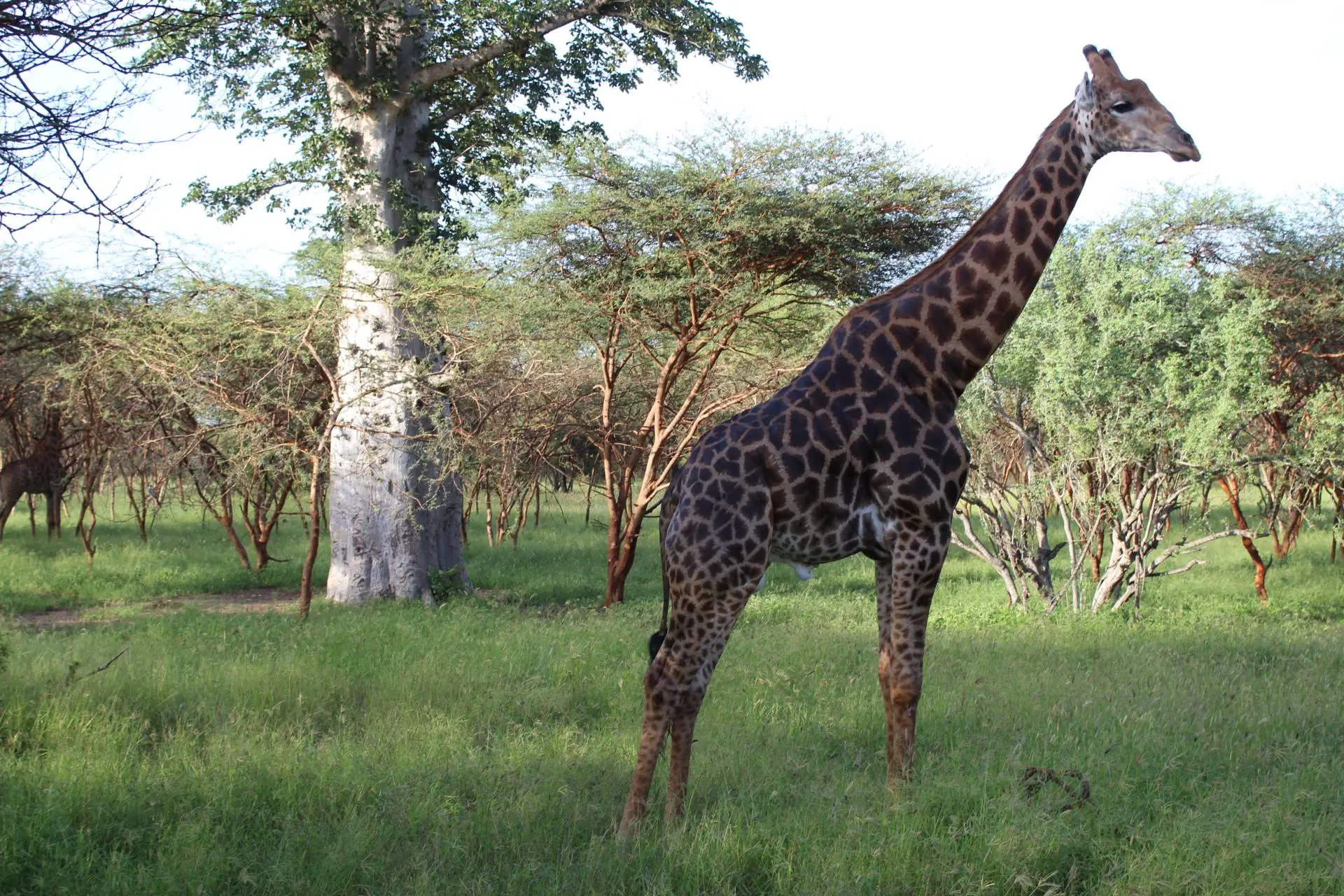
For wildlife, the best answer depends on whether you mean forest wildlife, savannah wildlife or birding. In much of West Africa, dry-season conditions make wildlife viewing easier because tracks are firmer, vegetation is lower and access is better. In Ghana’s Ankasa Conservation Area, the Forestry Commission highlights the forest’s biodiversity, including nearly 200 bird species and a wide range of mammals, and this kind of rainforest travel is usually easier when heavy rains are less of a factor.
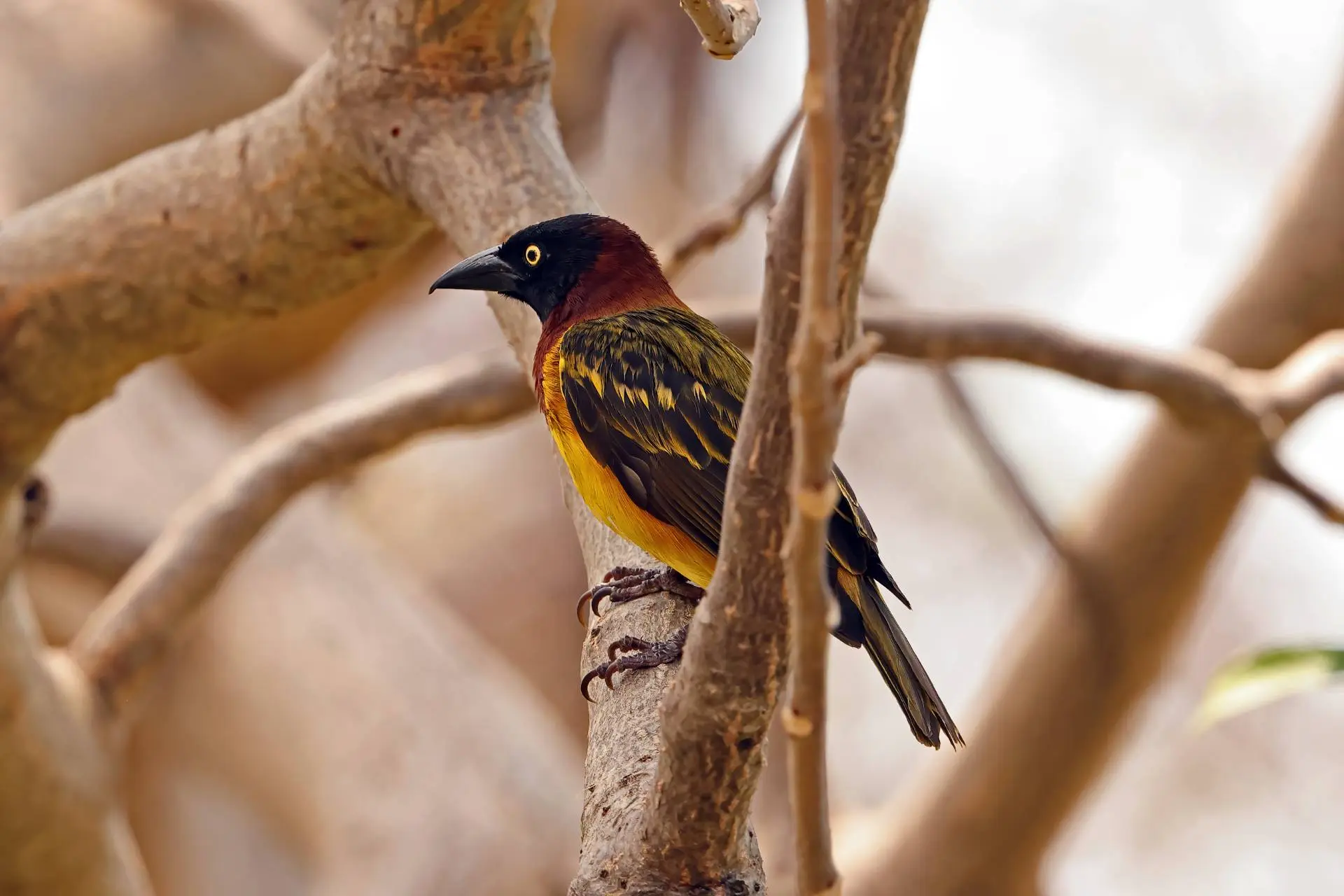
If birding is the priority, November to April is especially strong in Senegal and The Gambia. UNESCO says Senegal’s Djoudj National Bird Sanctuary supports more than 1.5 million migratory birds, making it one of the region’s standout wildlife experiences. Birding specialists also point to the early dry season in The Gambia — especially October, November and December — as particularly rewarding because wetlands are still full after the rains and migrant birds are arriving, while the broader November to April period remains excellent for migratory species.
So, for wildlife, the smartest guidance is this:
November to March is the best all-round wildlife window for many West Africa trips, while November to April is especially strong for birding in Senegal and The Gambia.
Check out our Birding & Nature tours
For coast and beach time, December to April works well on the mainland
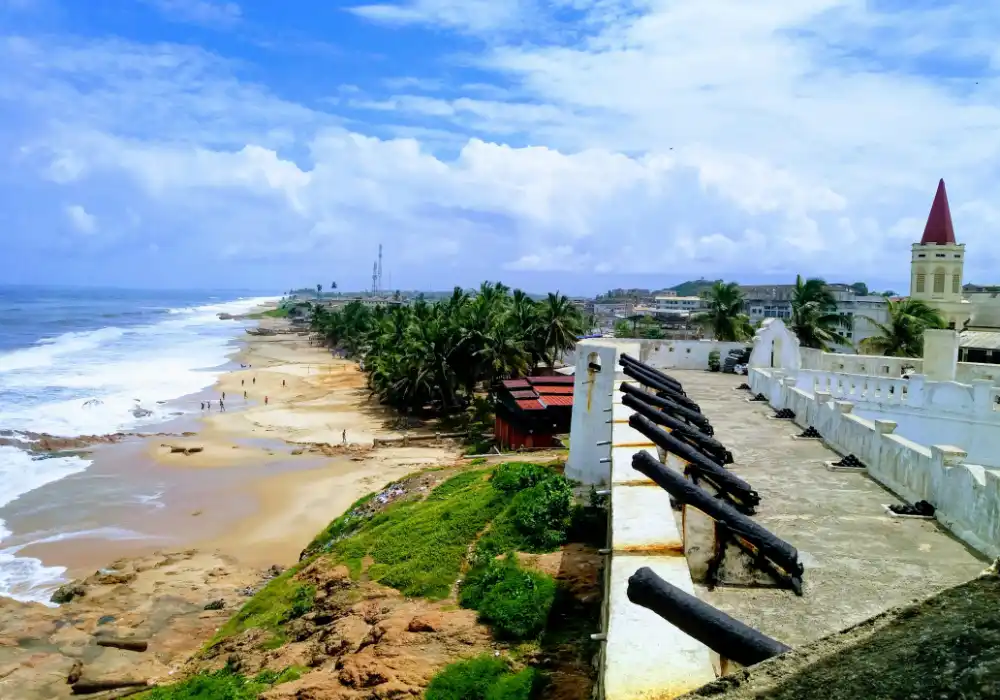
If your idea of West Africa includes beaches, coastal heritage and time by the sea, then the best months are usually December to April on the mainland. Senegal’s Petite Côte is generally driest and most comfortable in that period, and The Gambia is also widely regarded as best from November to February, with March to May still good but hotter. That makes the winter and early spring months ideal for travellers wanting a mix of coast, culture and easy travel conditions.
São Tomé & Príncipe needs different advice. The islands can be visited year-round, but the best overall beach and hiking months are usually the dry seasons of June to September and December to February. Those same windows also suit travellers who want better conditions for rainforest walks and scenic exploration. If marine wildlife matters, there is extra seasonality: humpback whales are most often seen around late July to October, while turtle nesting is usually associated with November to February, with hatchlings visible into March or April.
So when is the best overall time?
If you want one simple answer for a broad West Africa trip, the best overall time is usually November to March. That period gives you the best balance for cultural touring, heritage travel, birding, road conditions and coast. It is the most reliable choice for first-time visitors and for multi-country itineraries that combine places such as Ghana, Togo, Benin, Senegal and The Gambia.
If your priorities are more specific, then the timing shifts slightly:
- For birding: November to April
- For culture and history: November to March
- For mainland beaches: December to April
- For São Tomé & Príncipe: June to September or December to February
- For whales in São Tomé & Príncipe: late July to October
- For turtles in São Tomé & Príncipe: November to February
The most useful conclusion for readers is probably this: West Africa is not a one-season destination. But if you are looking for the most dependable window for wildlife, culture and coast together, November to March is the best place to start.
Planning a West Africa trip?
Choosing the right season can make a major difference, so start by matching your travel dates to the experiences that matter most to you.
Our Ashanti African Tours expert travel planners will help you plan your perfect Tailor Made tour